background image

THE RACE OF YOUR LIFE

toggleplusA UNIQUE EVENT - RACED BY PEOPLE LIKE YOU

Read More

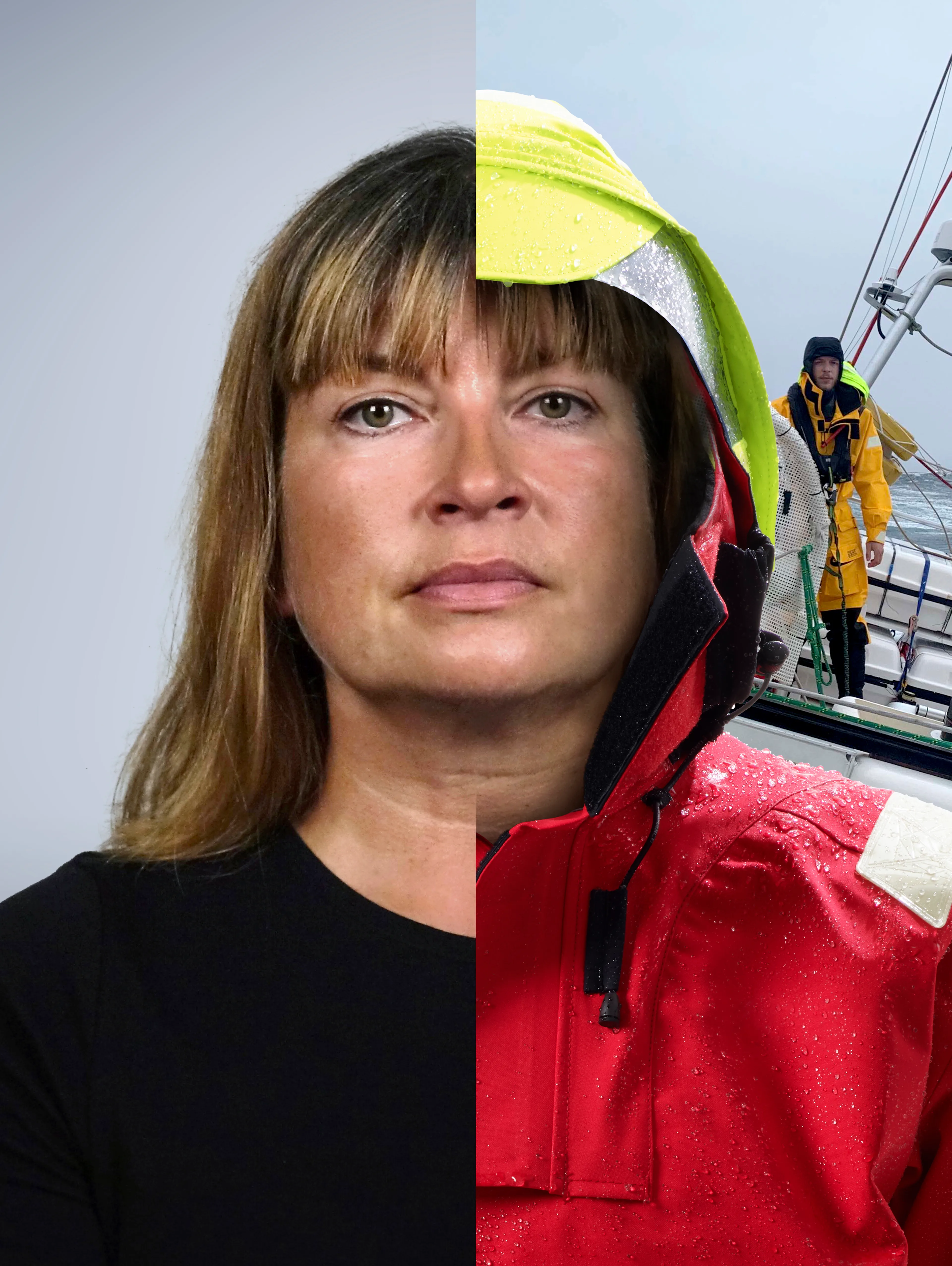
The Clipper Round the World Yacht Race is the only event of its type. Anyone, even if they have never stepped on a boat before, can join the adventure and circumnavigate the world in an eleven month-long marathon.

  • 12 BRAND NEW 70-FOOT OCEAN RACING YACHTS, A 40,000-MILE CIRCUMNAVIGATION, 15 RACES, 13 COUNTRIES, 1 WINNER.
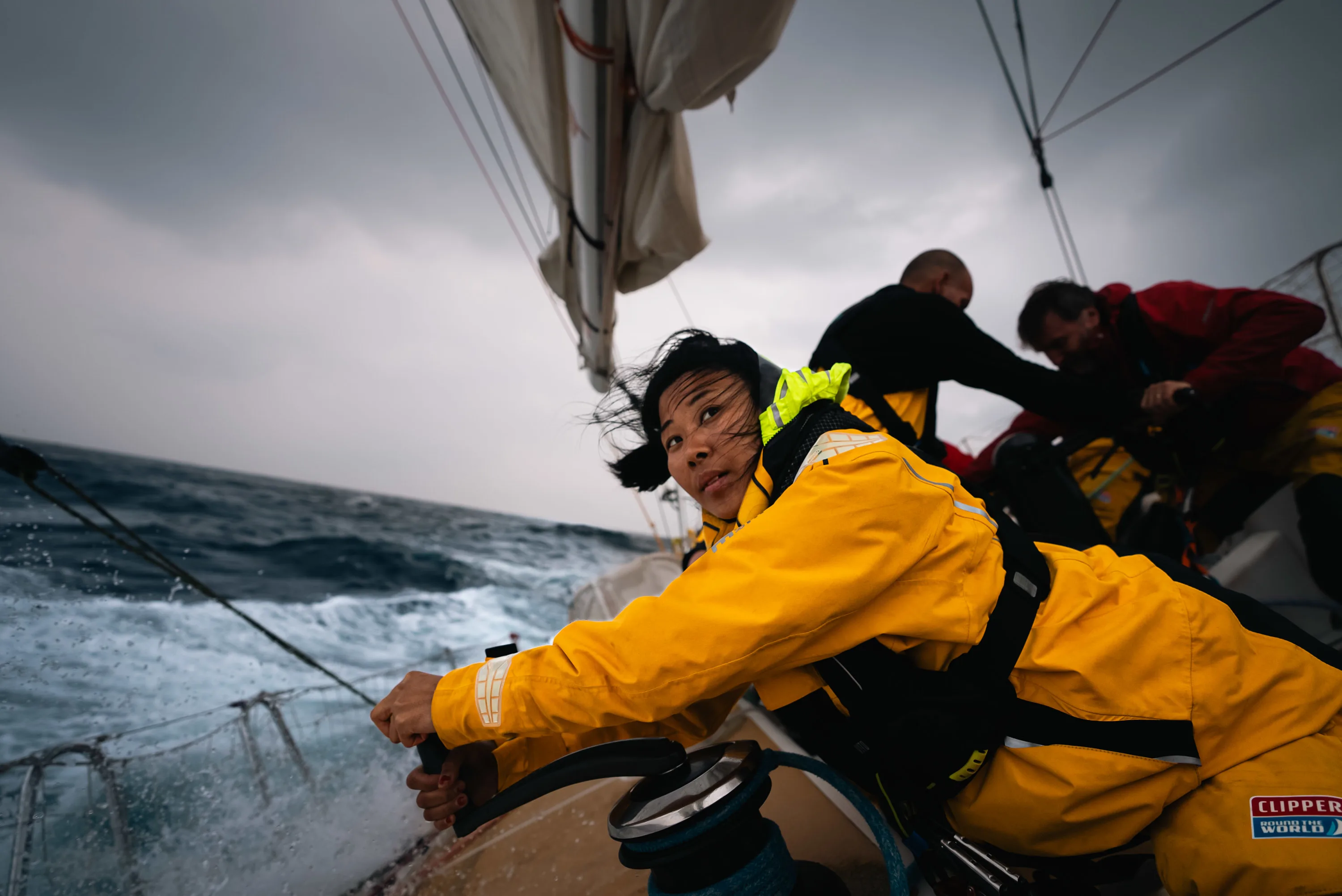
  • YOU MIGHT START AS A SAILING NOVICE BUT BY THE END OF ELEVEN MONTHS AT SEA YOU WILL HAVE 40,000 RACING MILES IN YOUR LOG BOOK. YOU WILL HAVE SAILED IN ALL CONDITIONS FROM THE WARM TRADE WINDS, THROUGH WINTER STORMS AND THE TROPICAL HEAT OF THE DOLDRUMS, CROSSING THE EQUATOR TWICE.

This is the only race in the world where the organisers supply the fleet of 12 identical, 70-foot, stripped down racing yachts – each sponsored by a city, a region or a country – and man each with a fully-qualified skipper, employed to lead the crews safely around the globe.

It’s where taxi drivers rub shoulders with chief executives, vicars mix with housewives, students work alongside bankers, nurses work with vets and doctors team with rugby players. It’s an experience that will change people’s lives. Yet while the crews may be amateur, no one has told the ocean that.

The sea does not distinguish between Olympians or novices and if the Southern Ocean, the Pacific or the South Atlantic decides to throw down the gauntlet, the Clipper Race crews need to be ready to face exactly the same challenges as those experienced by the professional racer.

And, when they return from the biggest challenge they have ever faced, the crews bring home countless lessons with them. The importance of teamwork and the importance of respect. Of giving more than you take. Of learning what your body is capable of. An appreciation of cultures, religions, lifestyles and attitudes that connect with communities right around the globe.

Because of its amateur status and varied crew profile, don’t for a moment consider this to be some sort of easy option. The crews have to work hard to become winners and it’s not unusual that boats might finish within minutes of each other after three weeks and 3,000 miles of ocean racing.

"Twenty years from now you will be more disappointed by the things that you didn’t do than by the ones you did do. So throw off the bowlines. Sail away from the safe harbour. Catch the trade winds in your sails. Explore. Dream. Discover." 

Sir Robin Knox-Johnston, Founder and Chairman of the Clipper Race

toggleplusTHE RACE ROUTE

Read More

Featuring 15 individual races competed over eight separate legs. You can sign up to race the entire way around the world, opt for a single leg or combine a number of legs.

  • UNITED KINDOM - SOUTH AMERICA
  • SOUTH AMERICA - CAPE TOWN
  • CAPE TOWN - WESTERN AUSTRALIA
  • WESTERN AUSTRALIA - AUSTRALIAN PIT STOP - EASTERN AUSTRALIA
  • EASTERN AUSTRALIA - SINGAPORE - QINGDAO
  • QINGDAO - WEST COAST USA
  • WEST COAST USA - PANAMA - COZUMEL - NEW YORK
  • NEW YORK - N. IRELAND - EUROPE - UK
  • FULL CIRCUMNAVIGATOR

Trade winds to South America

leg 1

UNITED KINGDOM - SOUTH AMERICA

 
2 races
15oC - 35oC
5,630mi / 9,060km
August 2013
Around 33 days
UK Brazil
 

After experiencing the emotions of saying goodbye to loved ones, untying lines at the start of this 40,000-mile, eleven month long challenge the fleet will race away from the safety on land.

Ahead is the first major ocean crossing – the Atlantic – and three weeks at sea. Routing towards the Canaries, the weather becomes warmer as you seek the trade winds to take you towards the Equator.

Before that, the first key tactical decision is whether to pass the Canaries to port, starboard or go through the middle of the islands. The surrounding mountains can create a wind shadow for several hundred miles – get it wrong and you will feel the frustration of snail pace sailing.

The trade winds come as a great relief but up ahead another challenge awaits; the dreaded Doldrums with fickle wind holes and sudden squalls that will test your patience to the full. Taking time out to acknowledge King Neptune as you go from the Northern to the Southern Hemisphere, the breeze returns but there are counter currents to avoid before South America appears over the horizon.

A famous Latin welcome is the best reward to celebrate your amazing achievement!

South Atlantic Challenge

leg 2

SOUTH AMERICA - CAPE TOWN, SOUTH AFRICA

 
1 race
12oC - 25oC
3,390mi / 5,455km
September 2013 – October 2013
Around 18 days
Brazil South Africa
 

Upon leaving South America the teams will be straight into the trade winds and long, rolling swells of the South Atlantic as you head south towards the infamous Southern Ocean, with spinnakers quickly becoming the sail of choice.

Surfing down the front of swells brings boat speeds well above 20 knots and whoever is on the helm will be guaranteed to be wearing the biggest smile. But this is a marathon not a sprint and looking after kit is essential. One false turn and the spinnaker will be in tatters, requiring the on board repair team to begin 30 hours of laborious stitching.

After the plunge south, your bows will turn eastward toward the distant shores of Africa, bringing even more exhilarating surfing conditions and some magnificent wildlife. Albatrosses swoop above your head, whales are a common sight and crews will marvel at the clarity of the night sky as they take in the Southern Cross for the first time.

As you close in on the point where the Atlantic meets the Indian Ocean the race will be almost over and the traditional African welcome, as you finally step ashore, will be a fitting culmination of your efforts.

Southern Ocean sleigh ride

leg 3

CAPE TOWN, SOUTH AFRICA - WESTERN AUSTRALIA

 
1 race
12oC - 28oC
4,700mi / 7,560km
October 2013 - November 2013
Around 23 days
South Africa Australia
 

Back on board with tales of diving with great whites, safaris and sampling the best of Stellenbosch, the challenging Southern Ocean will be your home for the next three weeks.

After a parade of sail past the waving crowds, it’s out onto the waters of one of the world’s Great Capes – Good Hope – and getting ready to face what, for many sailors, will be their ultimate challenge. As the Cape of Good Hope falls astern, the racing yachts tack down towards the 40th parallel. This is where the Roaring Forties start and the Southern Ocean provides some of the most extreme sailing in the world.

Crew safety and kit preservation and the watchwords. If the cloud is thick, night sailing happens in inky blackness with just the compass and the instruments to help. It’ll be chilly, too, because although it will be a Southern Hemisphere spring, the wind might be coming straight up from the ice of Antarctica.

Leaving the lonely and remote Kerguelen Islands to starboard, the combination of strong winds and large ocean swell that are bigger than buildings will keep crews on their toes. So, too, will the chance of vicious in-coming low pressure systems that can bring with them intense, gale force storms.

The beautiful, sun kissed beaches of Western Australia await – along with a well chilled ‘tinny’ with your name on it!

A second Great Cape and three oceans

leg 4

WEST AUSTRALIA - AUSTRALIAN PIT STOP - EAST AUSTRALIA

 
2 races
15oC - 30oC
4,200mi / 6,760km
November 2013 - December 2013
Around 28 days
Australia
 

From Western Australia, the bows of your racing yacht head south, out of the Indian Ocean and back to the challenge of the Roaring Forties.

Cape Leeuwin marks the south western tip of Australia and is one of the three Great Capes that only a privileged few get to sail past. Once again, the race route takes you below the 40th parallel for another sleigh ride east. On your port beam, far across the horizon, is the Great Australian Bight and the unforgiving shores of the Nullarbor Plain. At sea, you will route toward of Tasmania and into the Tasman Sea for the first time.

This is a region steeped in sailing history, being the battleground for the Sydney-Hobart Race, the Southern Hemisphere's equivalent to the Fastnet Race.

Just because you are out of the Southern Ocean, it doesn’t mean that the conditions are any easier. 

As you route north for a challenging race to a port on the eastern Australian seaboard, the huge ocean swells, so popular with the Aussie surfers on the east coast, continue to challenge kit, sails and crew stamina.

Asia-Pacific challenge

leg 5

EASTERN AUSTRALIA - SINGAPORE - QINGDAO

 
2 races
0oC - 30oC
7,400mi / 11,900km
December 2013 – February 2014
Around 53 days
Australia Asia China
 

This marathon race takes crew from the heat of the Southern Hemisphere summer up into the tropics and back across the Equator, a tricky routing challenge through the islands of Papua New Guinea and Indonesia before arriving in Singapore.

The race can be broken down into three distinct sections. The first is the tough beat north into prevailing winds as you head up the Gold Coast, past the beauty of the Whitsunday Islands and the wildness of the Northern Territories. Section two involves crossing the Equator, with the challenges of the Doldrums and tropical temperatures, and sailing past the remote communities on Papua New Guinea and into the Pacific Ocean for real. As the race finally enters the South China Sea and takes advantage of the north east monsoon winds, the fleet will hoist spinnakers and charge towards a warm welcome in Asia.

After a relaxing stay soaking up the culture it’s back on board for a race of extremes. It starts in tropical heat and light headwinds and then, as you track north, the weather turns colder, the winds come from directly ahead and the sea state kicks up to deliver a real challenge. Thermals are added to the layers of clothing and snow might be even make an appearance as you route east of Taiwan into the East China Sea and point towards the Olympic sailing city of Qingdao.

If you watched the Against the Tide series you will get an idea of the scale of the greeting laid on for your heroic arrival and, wherever you go, autograph hunters will be keen to add your signature to their book.

Conquer the mighty Pacific Ocean

leg 6

QINGDAO, CHINA - WEST COAST USA

 
1 race
0oC - 22oC
5,600mi / 9,000km
February 2014 – April 2014
Around 33 days
China USA
 

This is a race that every sailor wants in their log book!

After more than a month at sea, crossing the International Date Line and with nearly 6,000 miles left in your wake, you will be preparing to make one of the most momentous landfalls of the Clipper Round the World Yacht Race.

If you are on watch, it could be your shout that alerts your team that the hills of California have been spotted and that the end goals of this longest challenge is in sight. By then, the incredible start spectacle put on by the Chinese sailing city of Qingdao will be distant memory but one that will live with you forever.

As you depart China, expect to be treated like a superhero as the media and spectators snap away, video, cheer and applaud as you walk down to your racing yacht. The first few days when snow fell on a grey sea will have been long forgotten as you worked your boat to the maximum and got to the first waypoint at the southern tip of Japan. You will smile at the memory of the huge Pacific rollers that picked up your 70-foot yacht and allowed it to surf at 30 knots down into the trough ahead.

You will warm to the memory of sharing the biggest ocean in the world with just a handful of special people who worked together to keep the team safe, fast, happy and well fed.

The first week will have merged with the second, third and fourth and now the warmth of California sunshine indicates that you are close to your goal. You realise that you have raced across the mightiest ocean on the planet.

America coast to coast

leg 7

WEST COAST USA - PANAMA - COZUMEL - NEW YORK

 
2 races
18oC - 32oC
5,100mi / 8,200km
April 2014 – May 2014
Around 38 days
USA Panama USA
 

Leg 7 begins under the eyes of the American media and Race 10 heads out into the vast Pacific Ocean once more.

While California and the Baja slip by, the talk will be of tactics; inshore or offshore? The inshore current can give a decent ride but, with the land close by, fickle winds affected by night and day temperature can provide an unpredictable breeze. Further offshore, the current can’t help you but more consistent winds can.

Whatever the decision, the charge south will be a swift one. And just to make life more difficult, the further south you go, the more fluky the breeze gets. Ocean racing is like a lengthy game of chess and often the final results only become clear on the last couple of days. With boats sometimes finishing within a few minutes of each other, it’s never over ‘til it’s over. Then from the finish line off Panama City, stand by for one of the engineering wonders of the world: the Panama Canal.

You rise through the locks on the Pacific side up to Gatun freshwater lake , fed from the surrounding rain forests. Then it’s down the locks on the other side and the waters of the Atlantic welcome the race fleet again.

The next race takes your north through the blue water sailing playground of the Caribbean and toward Mexico’s Yucatan Peninsula and the island of Cozumel. You'll be among the first ever Clipper Race crew to race into a region famous for its seaside resorts, scuba diving and snorkelling in the Cozumel Reefs National Marine Park, nautical and archaeological tourism.

The following race will once again test you. Stand by for tropical heat, trade winds and squalls. You can expect the challenges to come from every quarter of the compass all the way up to New York and, as you draw closer, don’t be surprised if thunderstorms make a regular appearance over the horizon. But, as you sail past the Statue of Liberty and moor close to Ground Zero, you will probably be the only people in the city who have arrive from the west coast by sea.

Homecoming

leg 8

NEW YORK - N. IRELAND - EUROPE - UK

 
4 races
15oC - 25oC
3,750mi / 6,050km
June 2014 – July 2014
Around 22 days
USA UK USA UK
 

While this might be the homeward bound leg, there is plenty of racing still to be had.

The first takes you north and a check of the sea temperature will tell you when your racing yacht is getting a helping push from the Gulf Stream. A further check will tell you when it gives way to the cooler Labrador Current and the mixture in sea water often produces unpredictable fog banks.

From New York, the second race of Leg 8 gets underway as the final dash across the Atlantic begins. The route will have one waypoint to avoid any risk from ice and will take your close to the Flemish Cap, a fishing ground made famous in the book and film, The Perfect Storm.

It’s a 2,000-mile blast back towards Europe and, to welcome you, the finish line in Ireland promises a great reception. The craic is predictably legendary and, with your odyssey almost over, it’s a great place to gather your thoughts and put your achievements into perspective.

But still the challenges come thick and fast. In three of the last four editions of the Clipper Race the overall winner had still to be decided at this point and the final miles have all the pressure of extra time in the World Cup final. From Ireland, the fleet will race over the Irish Sea to finish at a port in Northern Europe. For the final race, it’s a 24-hour blast back to the UK and a hero’s welcome.

As you enter the port that the boats last saw nearly 12 months before, you’ll cross the outward track to complete an amazing journey. Ahead lies the podium and prize giving reception that confirms the overall winner of the Clipper Round the World Yacht Race. But, no matter where you end up in the final standings, every crew member is a winner as you say farewell to team members who will have become friends for life.

Full Circumnavigator

leg 1 to 8
15 races
0oC - 35oC
40,000mi / 64,000km
July 2013 – July 2014
Around 11 months
UK Brazil South Africa Australia New Zealand Australia Asia China USA Panama USA Canada UK EU UK
 

You might start as a sailing novice but by the end of eleven months at sea you will have 40,000 racing miles in your log book. You will have sailed in all conditions from warm trade winds, through winter storms and the tropical heat of the Doldrums, crossing the Equator twice.

You will have been becalmed, battled through 65-knot gales, struggled through squalls of stinging rain, snow flurries, sleet and fog. You will have experienced the emotions of untying your lines and saying goodbye to loved ones as you head to the drama of your first race start in front of the world’s media and tens of thousands of spectators.

You will have learnt to live life on a permanent angle, cooked meals to keep up morale when the going got tough, seen wildlife that few are privileged to see, sailed under a canopy of stars that took your breath away and watched dawns and sunsets that revealed the planet at its most beautiful.

You will have visited 13 different countries and been welcomed ashore with all the fervour deserved for long distance sporting champions. You will have celebrated at prize givings, shaken hands with the great and good, made friendships that will last a lifetime and discovered things about yourself that you never thought possible.

You will be fitter, healthier and more alive than you dared to believe. You will have joined an elite club and, as you return to the point of departure and cross your outward track in the world’s longest yacht race, you’ll head home with a set of experiences that will live with you forever. You have just become a circumnavigator.

Trade winds to South America

leg 1

UNITED KINGDOM - SOUTH AMERICA

 
2 races
15oC - 35oC
5,630mi / 9,060km
August 2015
Around 33 days
UK Brazil
 

After experiencing the emotions of saying goodbye to loved ones, untying lines at the start of this 40,000-mile, eleven month long challenge the fleet will race away from the safety on land.

Ahead is the first major ocean crossing – the Atlantic – and three weeks at sea. Routing towards the Canaries, the weather becomes warmer as you seek the trade winds to take you towards the Equator.

Before that, the first key tactical decision is whether to pass the Canaries to port, starboard or go through the middle of the islands. The surrounding mountains can create a wind shadow for several hundred miles – get it wrong and you will feel the frustration of snail pace sailing.

The trade winds come as a great relief but up ahead another challenge awaits; the dreaded Doldrums with fickle wind holes and sudden squalls that will test your patience to the full. Taking time out to acknowledge King Neptune as you go from the Northern to the Southern Hemisphere, the breeze returns but there are counter currents to avoid before South America appears over the horizon.

A famous Latin welcome is the best reward to celebrate your amazing achievement!

South Atlantic Challenge

leg 2

SOUTH AMERICA - CAPE TOWN, SOUTH AFRICA

 
1 race
12oC - 25oC
3,390mi / 5,455km
September 2015 – October 2015
Around 18 days
Brazil South Africa
 

Upon leaving South America the teams will be straight into the trade winds and long, rolling swells of the South Atlantic as you head south towards the infamous Southern Ocean, with spinnakers quickly becoming the sail of choice.

Surfing down the front of swells brings boat speeds well above 20 knots and whoever is on the helm will be guaranteed to be wearing the biggest smile. But this is a marathon not a sprint and looking after kit is essential. One false turn and the spinnaker will be in tatters, requiring the on board repair team to begin 30 hours of laborious stitching.

After the plunge south, your bows will turn eastward toward the distant shores of Africa, bringing even more exhilarating surfing conditions and some magnificent wildlife. Albatrosses swoop above your head, whales are a common sight and crews will marvel at the clarity of the night sky as they take in the Southern Cross for the first time.

As you close in on the point where the Atlantic meets the Indian Ocean the race will be almost over and the traditional African welcome, as you finally step ashore, will be a fitting culmination of your efforts.

Southern Ocean sleigh ride

leg 3

CAPE TOWN, SOUTH AFRICA - WESTERN AUSTRALIA

 
1 race
12oC - 28oC
4,700mi / 7,560km
October 2015 - November 2015
Around 23 days
South Africa Australia
 

Back on board with tales of diving with great whites, safaris and sampling the best of Stellenbosch, the challenging Southern Ocean will be your home for the next three weeks.

After a parade of sail past the waving crowds, it’s out onto the waters of one of the world’s Great Capes – Good Hope – and getting ready to face what, for many sailors, will be their ultimate challenge. As the Cape of Good Hope falls astern, the racing yachts tack down towards the 40th parallel. This is where the Roaring Forties start and the Southern Ocean provides some of the most extreme sailing in the world.

Crew safety and kit preservation and the watchwords. If the cloud is thick, night sailing happens in inky blackness with just the compass and the instruments to help. It’ll be chilly, too, because although it will be a Southern Hemisphere spring, the wind might be coming straight up from the ice of Antarctica.

Leaving the lonely and remote Kerguelen Islands to starboard, the combination of strong winds and large ocean swell that are bigger than buildings will keep crews on their toes. So, too, will the chance of vicious in-coming low pressure systems that can bring with them intense, gale force storms.

The beautiful, sun kissed beaches of Western Australia await – along with a well chilled ‘tinny’ with your name on it!

A second Great Cape and three oceans

leg 4

WEST AUSTRALIA - AUSTRALIAN PIT STOP - EAST AUSTRALIA

 
2 races
15oC - 30oC
4,200mi / 6,760km
November 2015 - December 2015
Around 28 days
Australia
 

From Western Australia, the bows of your racing yacht head south, out of the Indian Ocean and back to the challenge of the Roaring Forties.

Cape Leeuwin marks the south western tip of Australia and is one of the three Great Capes that only a privileged few get to sail past. Once again, the race route takes you below the 40th parallel for another sleigh ride east. On your port beam, far across the horizon, is the Great Australian Bight and the unforgiving shores of the Nullarbor Plain. At sea, you will route toward of Tasmania and into the Tasman Sea for the first time.

This is a region steeped in sailing history, being the battleground for the Sydney-Hobart Race, the Southern Hemisphere's equivalent to the Fastnet Race.

Just because you are out of the Southern Ocean, it doesn’t mean that the conditions are any easier. 

As you route north for a challenging race to a port on the eastern Australian seaboard, the huge ocean swells, so popular with the Aussie surfers on the east coast, continue to challenge kit, sails and crew stamina.

Asia-Pacific challenge

leg 5

EASTERN AUSTRALIA - SINGAPORE - QINGDAO

 
2 races
0oC - 30oC
7,400mi / 11,900km
December 2015 – February 2016
Around 53 days
Australia Asia China
 

This marathon race takes crew from the heat of the Southern Hemisphere summer up into the tropics and back across the Equator, a tricky routing challenge through the islands of Papua New Guinea and Indonesia before arriving in Singapore.

The race can be broken down into three distinct sections. The first is the tough beat north into prevailing winds as you head up the Gold Coast, past the beauty of the Whitsunday Islands and the wildness of the Northern Territories. Section two involves crossing the Equator, with the challenges of the Doldrums and tropical temperatures, and sailing past the remote communities on Papua New Guinea and into the Pacific Ocean for real. As the race finally enters the South China Sea and takes advantage of the north east monsoon winds, the fleet will hoist spinnakers and charge towards a warm welcome in Asia.

After a relaxing stay soaking up the culture it’s back on board for a race of extremes. It starts in tropical heat and light headwinds and then, as you track north, the weather turns colder, the winds come from directly ahead and the sea state kicks up to deliver a real challenge. Thermals are added to the layers of clothing and snow might be even make an appearance as you route east of Taiwan into the East China Sea and point towards the Olympic sailing city of Qingdao.

If you watched the Against the Tide series you will get an idea of the scale of the greeting laid on for your heroic arrival and, wherever you go, autograph hunters will be keen to add your signature to their book.

Conquer the mighty Pacific Ocean

leg 6

QINGDAO, CHINA - WEST COAST USA

 
1 race
0oC - 22oC
5,600mi / 9,000km
February 2016 – April 2016
Around 33 days
China USA
 

This is a race that every sailor wants in their log book!

After more than a month at sea, crossing the International Date Line and with nearly 6,000 miles left in your wake, you will be preparing to make one of the most momentous landfalls of the Clipper Round the World Yacht Race.

If you are on watch, it could be your shout that alerts your team that the hills of California have been spotted and that the end goals of this longest challenge is in sight. By then, the incredible start spectacle put on by the Chinese sailing city of Qingdao will be distant memory but one that will live with you forever.

As you depart China, expect to be treated like a superhero as the media and spectators snap away, video, cheer and applaud as you walk down to your racing yacht. The first few days when snow fell on a grey sea will have been long forgotten as you worked your boat to the maximum and got to the first waypoint at the southern tip of Japan. You will smile at the memory of the huge Pacific rollers that picked up your 70-foot yacht and allowed it to surf at 30 knots down into the trough ahead.

You will warm to the memory of sharing the biggest ocean in the world with just a handful of special people who worked together to keep the team safe, fast, happy and well fed.

The first week will have merged with the second, third and fourth and now the warmth of California sunshine indicates that you are close to your goal. You realise that you have raced across the mightiest ocean on the planet.

America coast to coast

leg 7

WEST COAST USA - PANAMA - COZUMEL - NEW YORK

 
2 races
18oC - 32oC
5,100mi / 8,200km
April 2016 – May 2016
Around 38 days
USA Panama USA
 

Leg 7 begins under the eyes of the American media and Race 10 heads out into the vast Pacific Ocean once more.

While California and the Baja slip by, the talk will be of tactics; inshore or offshore? The inshore current can give a decent ride but, with the land close by, fickle winds affected by night and day temperature can provide an unpredictable breeze. Further offshore, the current can’t help you but more consistent winds can.

Whatever the decision, the charge south will be a swift one. And just to make life more difficult, the further south you go, the more fluky the breeze gets. Ocean racing is like a lengthy game of chess and often the final results only become clear on the last couple of days. With boats sometimes finishing within a few minutes of each other, it’s never over ‘til it’s over. Then from the finish line off Panama City, stand by for one of the engineering wonders of the world: the Panama Canal.

You rise through the locks on the Pacific side up to Gatun freshwater lake , fed from the surrounding rain forests. Then it’s down the locks on the other side and the waters of the Atlantic welcome the race fleet again.

The next race takes your north through the blue water sailing playground of the Caribbean and toward Mexico’s Yucatan Peninsula and the island of Cozumel. You'll be among the first ever Clipper Race crew to race into a region famous for its seaside resorts, scuba diving and snorkelling in the Cozumel Reefs National Marine Park, nautical and archaeological tourism.

The following race will once again test you. Stand by for tropical heat, trade winds and squalls. You can expect the challenges to come from every quarter of the compass all the way up to New York and, as you draw closer, don’t be surprised if thunderstorms make a regular appearance over the horizon. But, as you sail past the Statue of Liberty and moor close to Ground Zero, you will probably be the only people in the city who have arrive from the west coast by sea.

Homecoming

leg 8

NEW YORK - CANADA - N. IRELAND - EUROPE - UK

 
4 races
15oC - 25oC
3,750mi / 6,050km
June 2016 – July 2016
Around 22 days
USA Canada UK USA UK
 

While this might be the homeward bound leg, there is plenty of racing still to be had.

The first takes you north and a check of the sea temperature will tell you when your racing yacht is getting a helping push from the Gulf Stream. A further check will tell you when it gives way to the cooler Labrador Current and the mixture in sea water often produces unpredictable fog banks.

The race heads north east, parallel with the shores of Nova Scotia, to one of the many Atlantic ports and you had better be braced for the warmest of Caledonia welcomes. From Canada, the second race of Leg 8 gets underway as the final dash across the Atlantic begins. The route will have one waypoint to avoid any risk from ice and will take your close to the Flemish Cap, a fishing ground made famous in the book and film, The Perfect Storm.

It’s a 2,000-mile blast back towards Europe and, to welcome you, the finish line in Ireland promises a great reception. The craic is predictably legendary and, with your odyssey almost over, it’s a great place to gather your thoughts and put your achievements into perspective.

But still the challenges come thick and fast. In three of the last four editions of the Clipper Race the overall winner had still to be decided at this point and the final miles have all the pressure of extra time in the World Cup final. From Ireland, the fleet will race over the Irish Sea to finish at a port in Northern Europe. For the final race, it’s a 24-hour blast back to the UK and a hero’s welcome.

As you enter the port that the boats last saw nearly 12 months before, you’ll cross the outward track to complete an amazing journey. Ahead lies the podium and prize giving reception that confirms the overall winner of the Clipper Round the World Yacht Race. But, no matter where you end up in the final standings, every crew member is a winner as you say farewell to team members who will have become friends for life.

Full Circumnavigator

leg 1 to 8
15 races
0oC - 35oC
40,000mi / 64,000km
July 2015 – July 2016
Around 11 months
UK Brazil South Africa Australia New Zealand Australia Asia China USA Panama USA Canada UK EU UK
 

You might start as a sailing novice but by the end of eleven months at sea you will have 40,000 racing miles in your log book. You will have sailed in all conditions from warm trade winds, through winter storms and the tropical heat of the Doldrums, crossing the Equator twice.

You will have been becalmed, battled through 65-knot gales, struggled through squalls of stinging rain, snow flurries, sleet and fog. You will have experienced the emotions of untying your lines and saying goodbye to loved ones as you head to the drama of your first race start in front of the world’s media and tens of thousands of spectators.

You will have learnt to live life on a permanent angle, cooked meals to keep up morale when the going got tough, seen wildlife that few are privileged to see, sailed under a canopy of stars that took your breath away and watched dawns and sunsets that revealed the planet at its most beautiful.

You will have visited 13 different countries and been welcomed ashore with all the fervour deserved for long distance sporting champions. You will have celebrated at prize givings, shaken hands with the great and good, made friendships that will last a lifetime and discovered things about yourself that you never thought possible.

You will be fitter, healthier and more alive than you dared to believe. You will have joined an elite club and, as you return to the point of departure and cross your outward track in the world’s longest yacht race, you’ll head home with a set of experiences that will live with you forever. You have just become a circumnavigator.

toggleplusTRAINING

Read More

Around 40 per cent of crew members who sign up for the Clipper Round the World Yacht Race have never stepped on board a yacht before their Level 1 training.

  • LEVEL 1 INTRODUCES YOU TO THE BASIC PRINCIPLES OF BIG BOAT SAILING AND TEACHES IMPORTANT SAFETY AND SEAMANSHIP SKILLS. THIS IS THE FOUNDATION LEVEL FOR FURTHER TRAINING WHEN YOU WILL BUILD ON THE SKILLS LEARNT DURING THIS WEEKLONG COURSE.
  • DURING LEVEL 2 YOU WILL CONTINUE TO DEVELOP YOUR BASIC SAILING AND SEAMANSHIP SKILLS, AS WELL AS BEING INTRODUCED TO KEY OFFSHORE RACING TACTICS AND THE ASYMMETRIC SPINNAKER. THE MAIN FOCUS OF THE WEEK WILL BE ON MAXIMISING THE BOAT’S PERFORMANCE.
  • THE FINAL STAGE OF TRAINING, LEVEL 3, WILL SEE YOU INTRODUCED TO OUR BRAND NEW CLIPPER 70 YACHTS. THIS COURSE IS DESIGNED TO ALLOW THE SKIPPERS AND CREW TO DEVELOP THEIR RACE TEAMS, ADAPT THEIR ALLOCATION BOATS AND FORMULATE THEIR OWN RACE TACTICS.

Around 40 per cent of crew members who sign up for the Clipper Round the World Yacht Race have never stepped on board a yacht before their Level 1 training.

More than 3,000 people have completed the Clipper Race training programme which prepares them to safely and competently face the challenges the world’s longest yacht race will throw at them.

The experience and expertise that has been gained during this process is second to none and has enabled Clipper Race Training to develop a world-class programme.

Clipper Race Training’s unique approach inspires confidence in individuals to tackle challenging situations and embark on the adventure of a lifetime.

There are three compulsory practical training courses to complete between now and the race start.

toggleplusHOW TO REGISTER

Read More

It's a unique opportunity to experience a rare freedom and only the Clipper Round the World Yacht Race makes it possible. Do you dare meet the challenge?

  • REGISTER YOUR INTEREST TODAY BY CLICKING THE APPLY ONLINE BUTTON AND WE'LL SEND YOU A BROCHURE AND AN APPLICATION FORM.
  • WE WILL THEN ARRANGE A SUITABLE INTERVIEW DATE WITH YOU.
  • ONCE YOU HAVE SUCCESSFULLY COMPLETED THE INTERVIEW SELECTION PROCESS YOU WILL BE INVITED TO TAKE PART IN THE FIRST OF THE THREE PRE-RACE TRAINING COURSES, AND IF YOU PASS THAT WITH FLYING COLOURS, YOU WILL BE WELL ON YOUR WAY TO BECOMING A ROUND THE WORLD RACER.

Request an application form if you believe you have what it takes to become a Clipper Race crew member and get ready to take on the world.

Find out more about the brand new Clipper Race fleet, the various roles you could take on board and much more.

This does not commit you to taking on the race.

WE’RE RECRUITING CREW FOR CLIPPER 13 -14 RACE