
The Race of Your Life
The Clipper Race is a unique challenge that will push you to your limits – both physically and mentally.
Download info packAPPLY NOWAchieve something remarkable
Nothing on earth compares to the Clipper Round the World Yacht Race. It’s a true test of endurance; 40,000 nautical miles enduring anything and everything Mother Nature can throw at you.
The most exciting part? Applications are open to everyone, with no previous ocean sailing experience necessary before signing up to the rigorous training programme. Mother Nature does not discriminate against gender, age or level of experience so neither do we. Rest assured, we’ll teach you everything you need to know to be a safe, confident ocean racer.
Along the way you could face the fierce swells of the Roaring Forties, the isolation and freezing temperatures of the North Pacific Ocean, or the speed of the Atlantic Trade Winds. Whether you choose the circumnavigation, combine multiple legs or join for a single ocean crossing, you’re in for an adventure you’ll never forget.

You have what it takes!
It all starts right here.
Train to become an ocean racer and experience the exhilaration of circumnavigating the globe on board a 70-foot racing yacht.
Request a free information pack or book your interview today.
Race distance
40,000NM
Legs
8
Ocean Crossings
6
Race Crew
700+
Race Legs

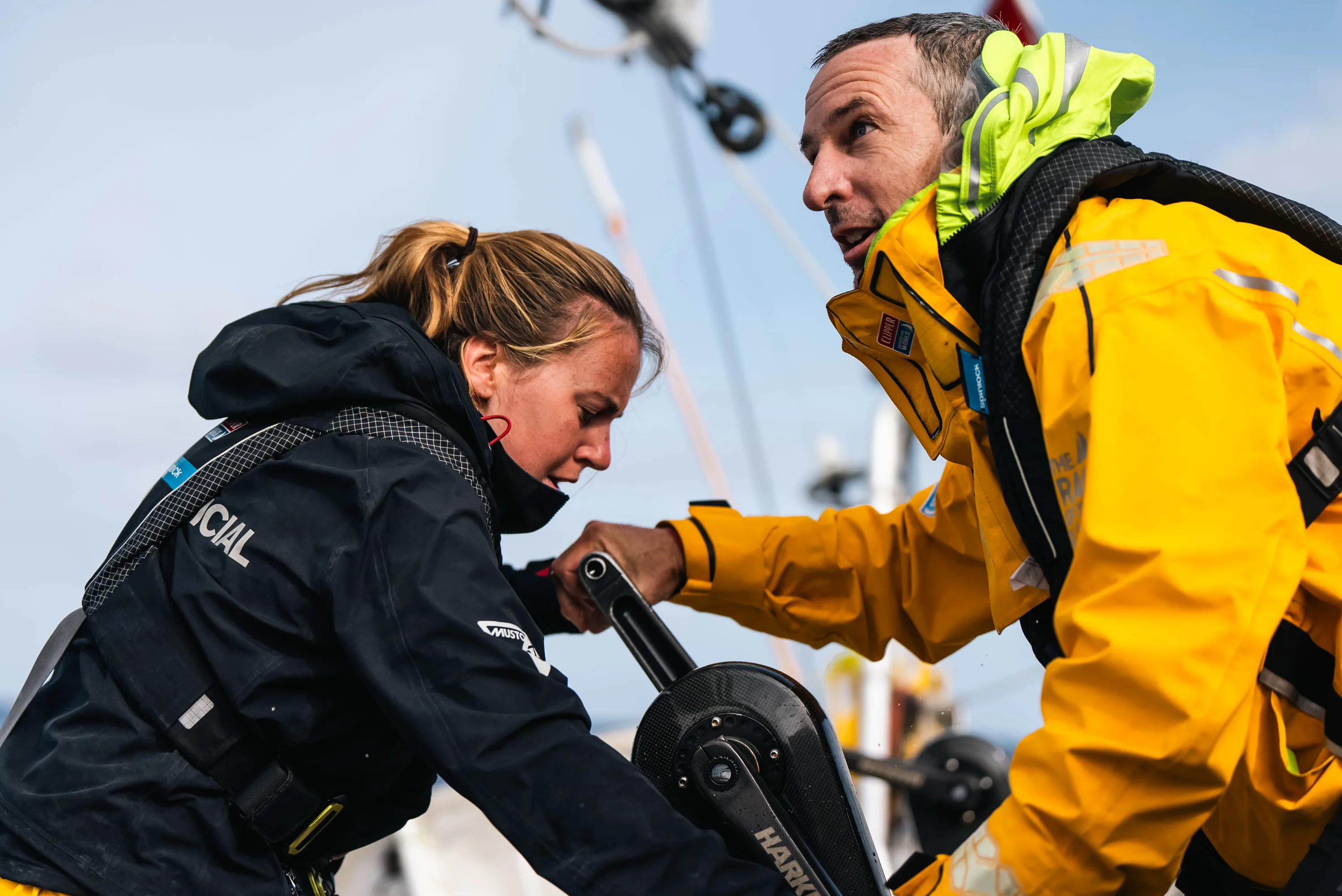


Race Tactics
Whether you’re joining for a single leg, combining several or tackling the whole circumnavigation, you’ll have to develop a head for strategy. As part of your intensive training programme, we’ll teach you all you need to know about working as a team and getting the most from your Clipper 70 ocean racing yacht – including advanced sailing skills, managing trim, navigation and dealing with extreme weather.
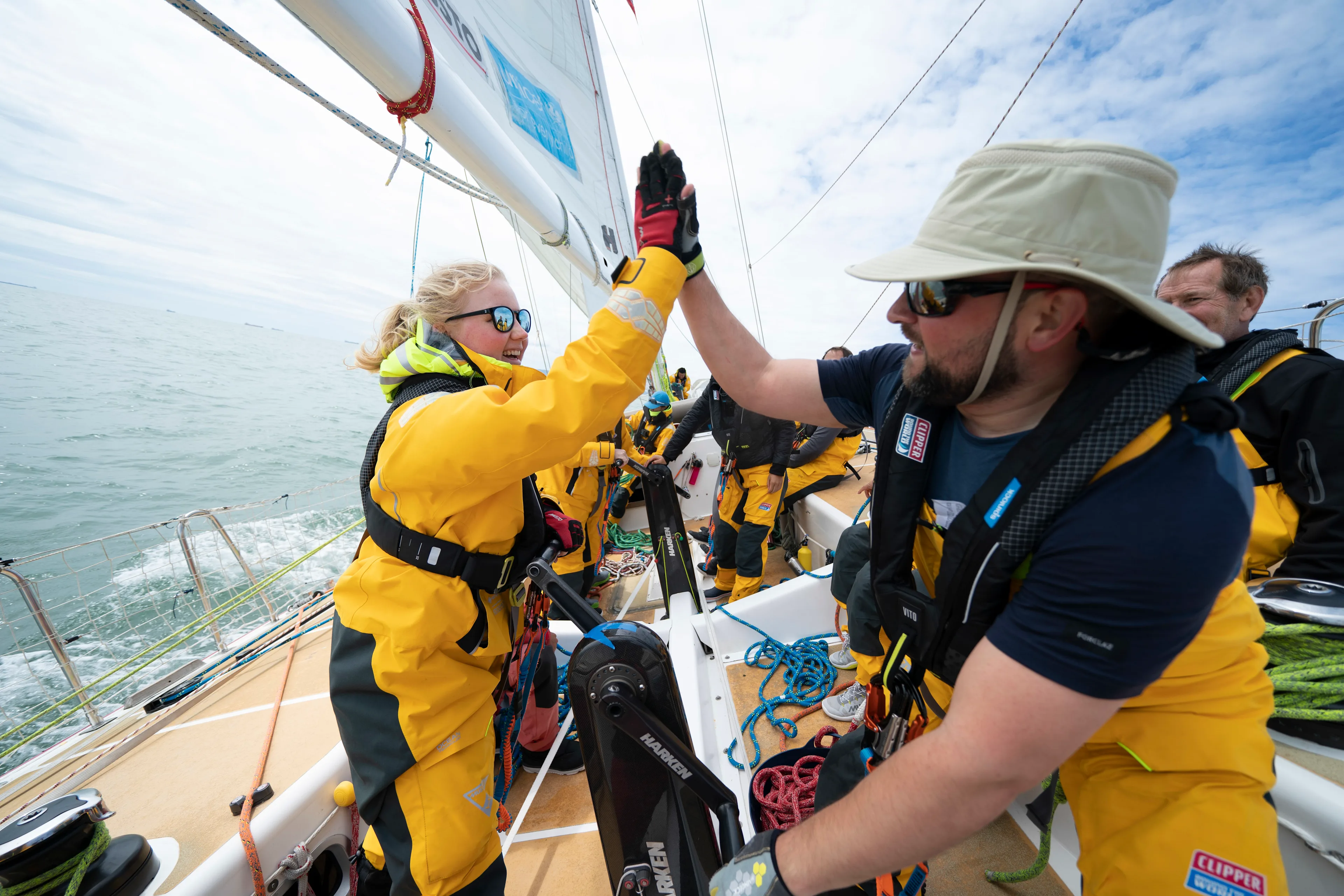
Team work
On the Clipper Race, everyone’s expected to pull their weight – no matter their previous experience. You’ll be part of a fully trained team, able to respond and take charge whatever the situation demands.
During the race you’ll be able to get involved with all the key roles on deck – at the helm, mast, pit, bow and grinder. You’ll also be able to specialise in the areas matching your strengths and previous experience.
Crew stories
The best thing I could have ever done
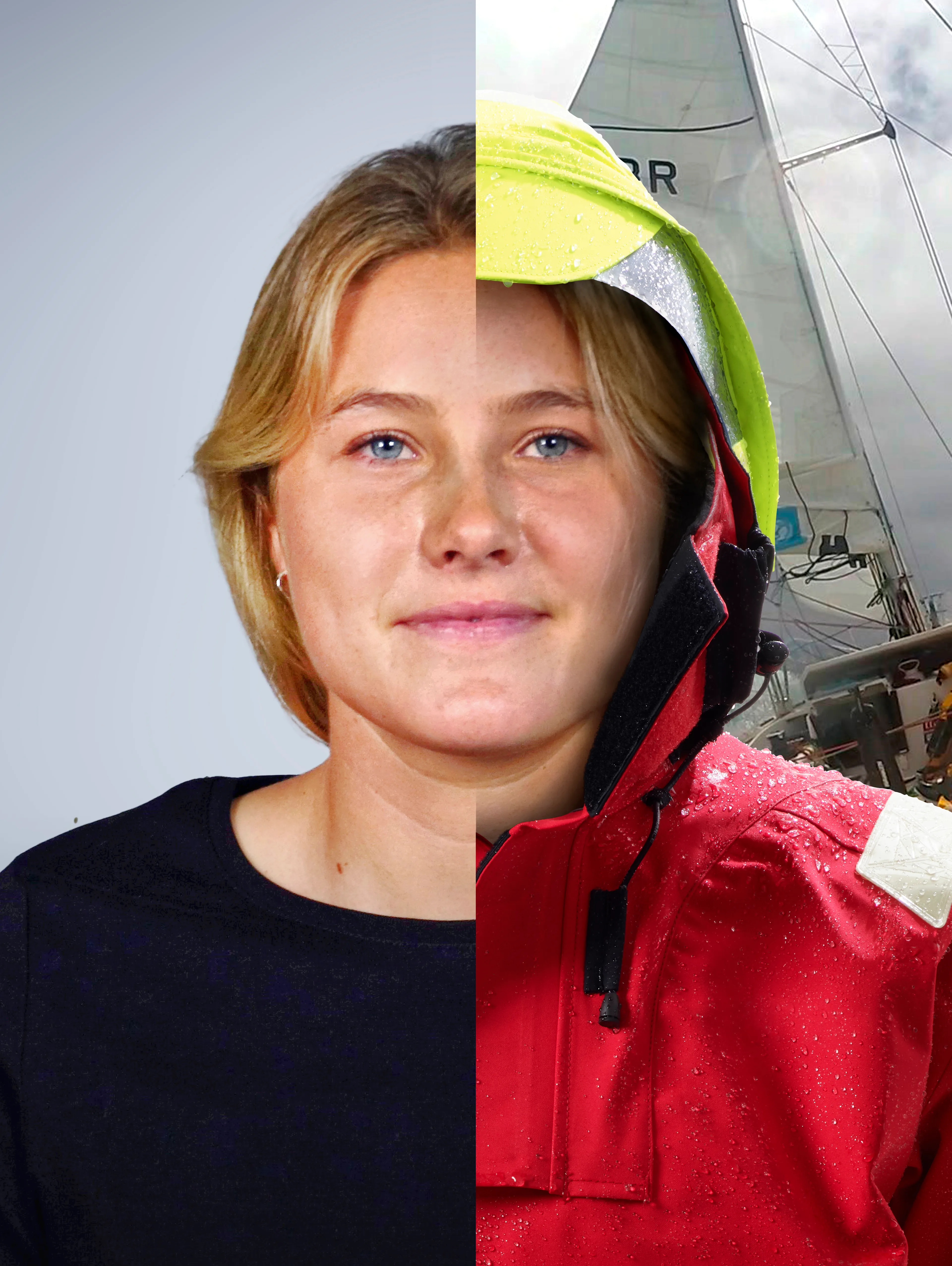
Maddie Church, Student
Inspirational 26-year-old Maddie, a journalism student from the USA, completed three legs: The Mighty Pacific, The USA Coast-to-Coast Leg and The Atlantic Homecoming on board the GoToBermuda team yacht.
Crew stories
Race to win
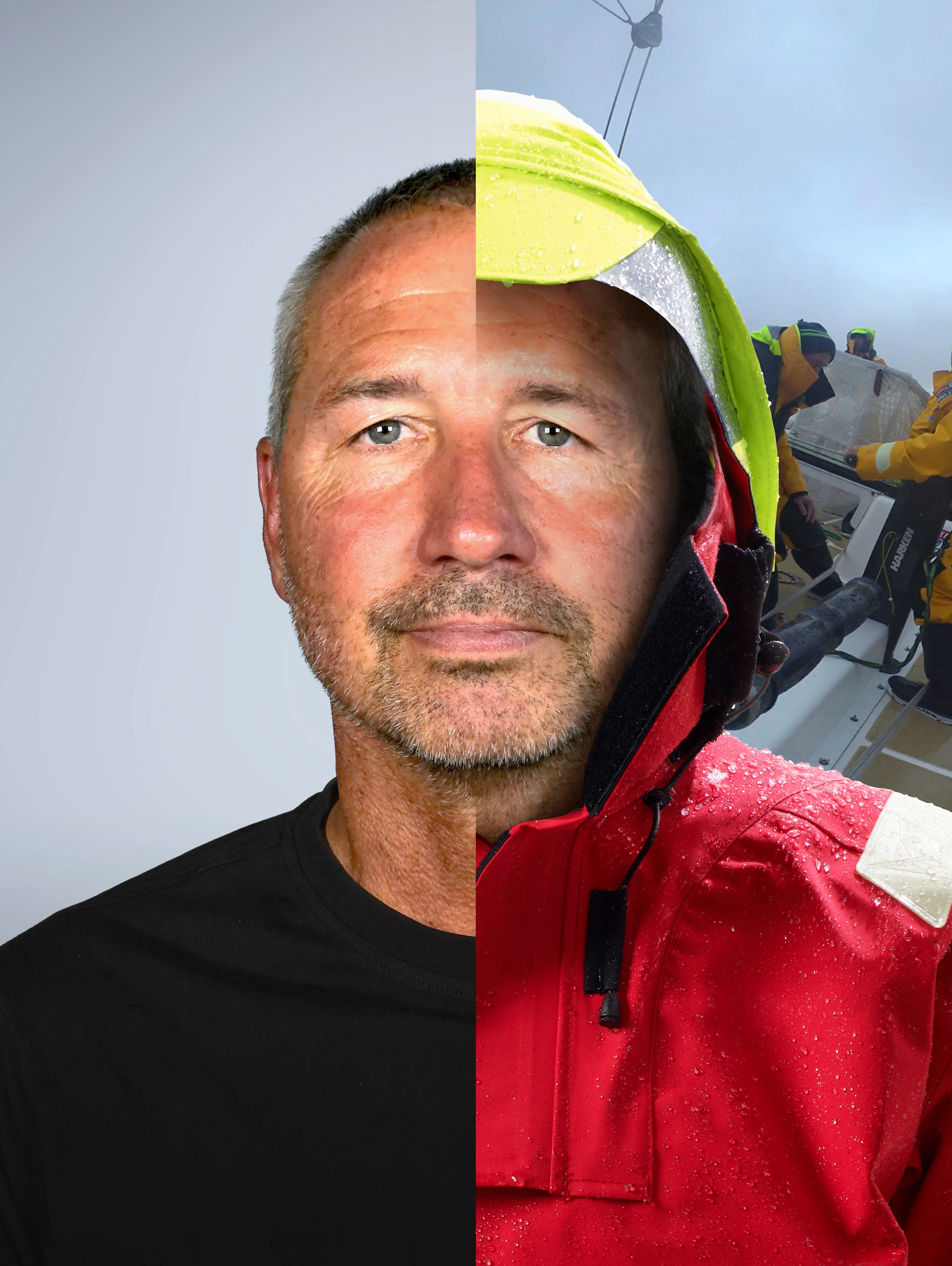
Jody Shaw, Engineer
60-year-old experienced sailor Jody, from the USA, raced around the world on board winning yacht Qingdao in the Clipper 2019-20 Race. He shares his insight about what it takes to race to win, and the conditions his team faced.
Crew stories
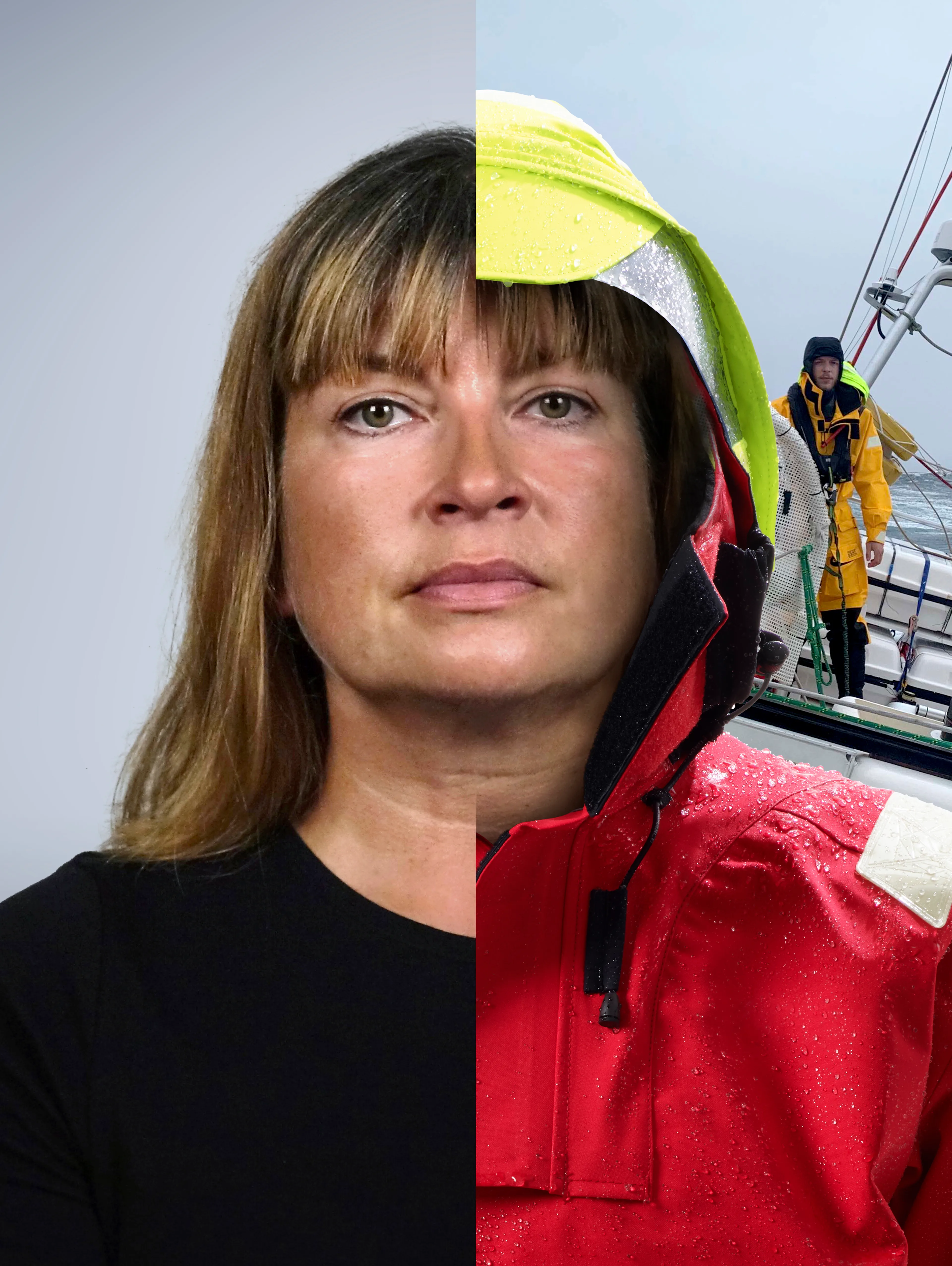
Retail to Racer
Kiki Sheridan, Retail Manager
Kiki, 47, from Finland, shelved retail management to become a circumnavigator on the Clipper 2019-20 Race. An all-or-nothing choice for this intrepid sailor, Kiki talks of her pivotal role as a round-the-worlder and overcoming her fears racing on board Seattle.

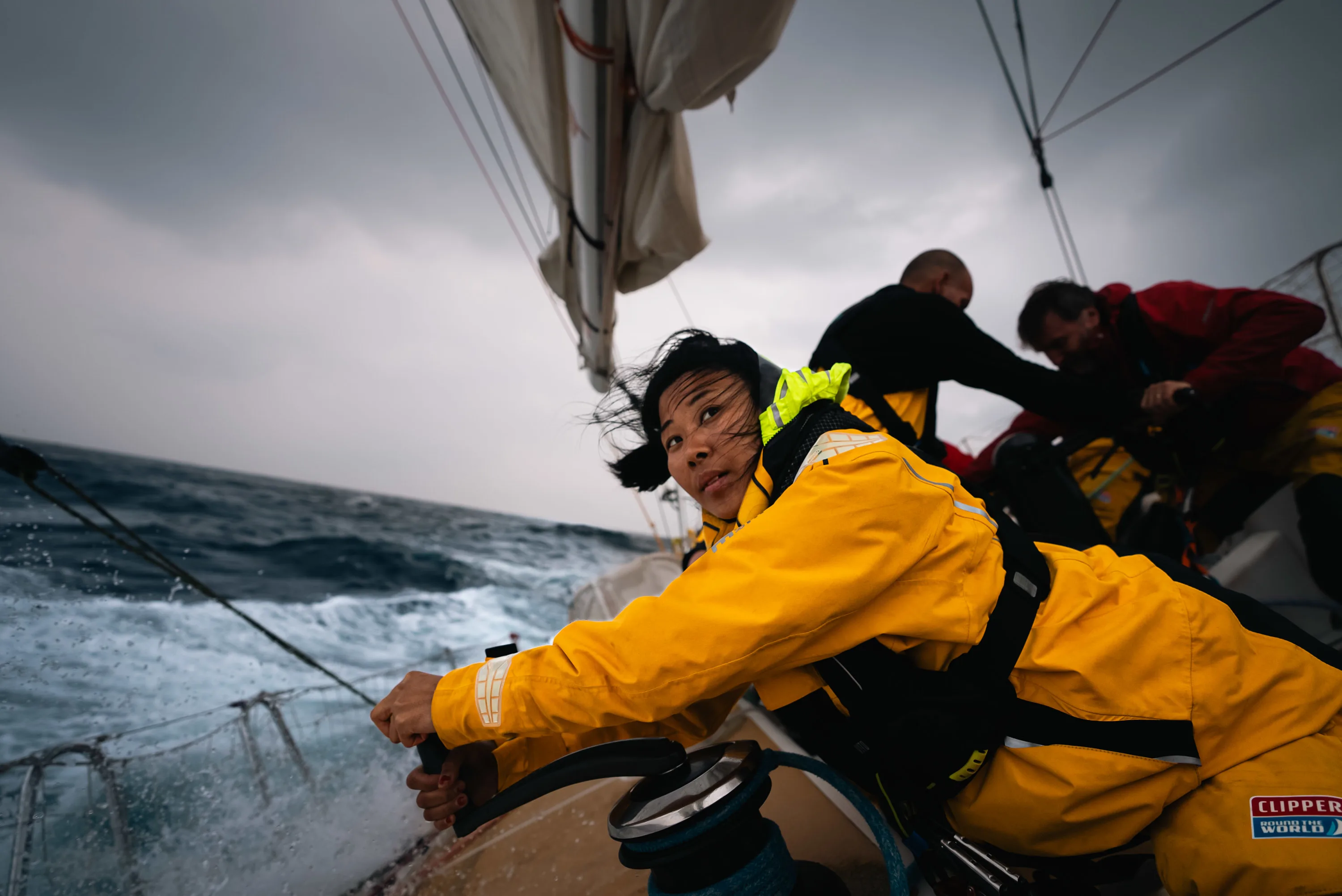
Race Heritage
Discover moreFounded by Sir Robin Knox-Johnston, the first solo nonstop circumnavigator, the Clipper Race began in 1996. Since then, over 6,000 crew from 60+ nations have participated in this global challenge.
THE NEXT STEPS
 Link arrow
The Training
Becoming an ocean racer demands rigorous training. Every crew member, regardless of experience, completes four levels of Clipper Race training to tackle the world's most challenging conditions.
 Link arrow
The Life
A Clipper 70 is no place for the faint-hearted. Every team member has a role on deck and is trained to form a self-sufficient unit, ready to handle any situation, no matter how severe.
 Link arrow
The Application
It all starts right here…Train to become an Ocean Racer and experience the exhilaration of circumnavigating the globe on a 70-foot racing yacht.
Join the Race
40,000nm. 5 Oceans. 1 Circumnavigation. See you on the start line.