The best gap year ideas for adventure seekers
- Amy Blackmore
- 25/09/26
- The Race
- 3 mins read
There's a narrow window, usually between school and whatever comes next, when you can disappear for months at a time and spend it however you like. Most people go somewhere warm and sunny. A smaller number spend it doing something adventurous that changes how they see themselves.
If you're weighing up what to do with your time, here are the best gap year ideas for anyone who counts themselves an adventure seeker.
1. Race a 70-foot yacht around the world
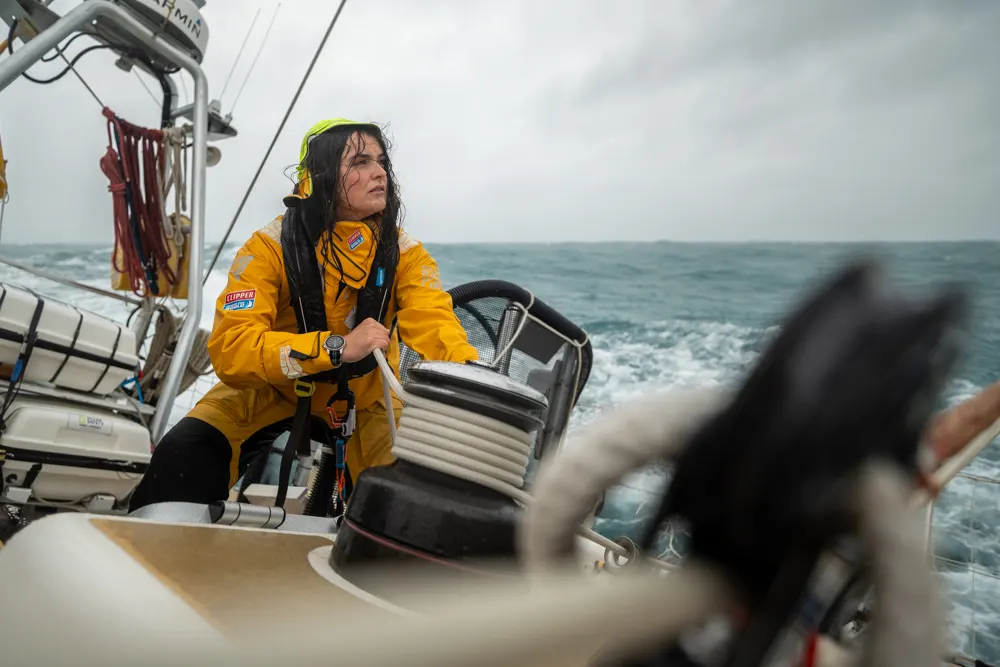
There aren't many gap year options where you start as a complete beginner and finish having crossed an ocean at night, on watch, in a Southern Ocean gale. The Clipper Race puts novice crew through four levels of training and then onto a 70-foot racing yacht for one leg, several, or the full 40,000-nautical mile circumnavigation.
It's not a cruise. You'll stand watches at 3 am, cook and eat as a team in a galley that's tilted at 40 degrees, and work alongside strangers who quickly become your team mates. No sailing experience is required going in. The training is built for people who've never touched a winch.
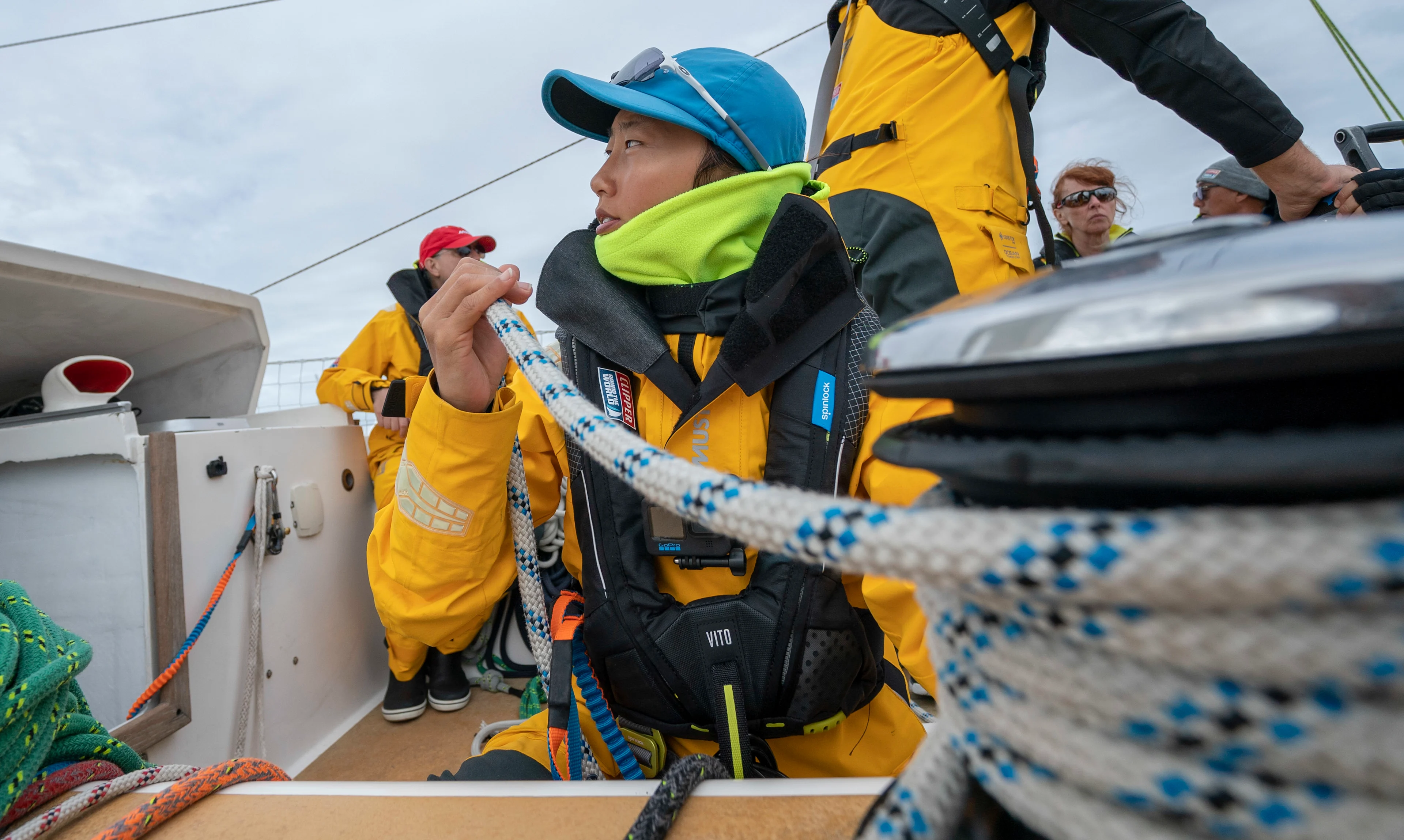
Eighteen-year-old gap year student, Zoe Ward, took on Legs 5 and 6 in the 2025-26 Race Edition:
“I’m on a gap year away from A levels. I thought I was only going to take one year, but it’s completely changed my life. I’ve always wanted to do the Clipper Race, but this gap year has been the perfect opportunity. It’s always been a dream, but now it’s one come true. My Dad did the first race when he was 17 – in 1997 – and I’ve brought it back 30 years later. I was meant to go to university next year, but I think I’m going to keep on exploring.”
For a lot of crew, it's the single hardest thing they do in their twenties, and the reason they'd point to years later when someone asks what changed them.
It also does something most gap years don't: it gives you something concrete to put on a CV. The four-level training programme covers navigation, sea survival (including the RYA Sea Survival course), and advanced racing tactics, so you leave with more than a story. The Clipper Race is an experience employers tend to notice.
Interested in the Clipper Race? Request your free information pack.
2. Trek a route that takes weeks
A three-day hike is great. A three-week one changes how you think. The Annapurna Circuit in Nepal, Kilimanjaro's longer routes, or the Camino de Santiago all require a kind of patience that short trips don't. Sore feet, altitude, weather you can't control, and no option to quit halfway.
Go with a local operator rather than a big international one if you can. You'll pay less, and the guides tend to know the mountain better.
3. Learn to dive properly
Getting your Open Water certification is the easy part. Most people do that on a two-week holiday. The gap year version is working towards a Divemaster qualification in a place like Raja Ampat or Sipadan, logging dozens of dives.
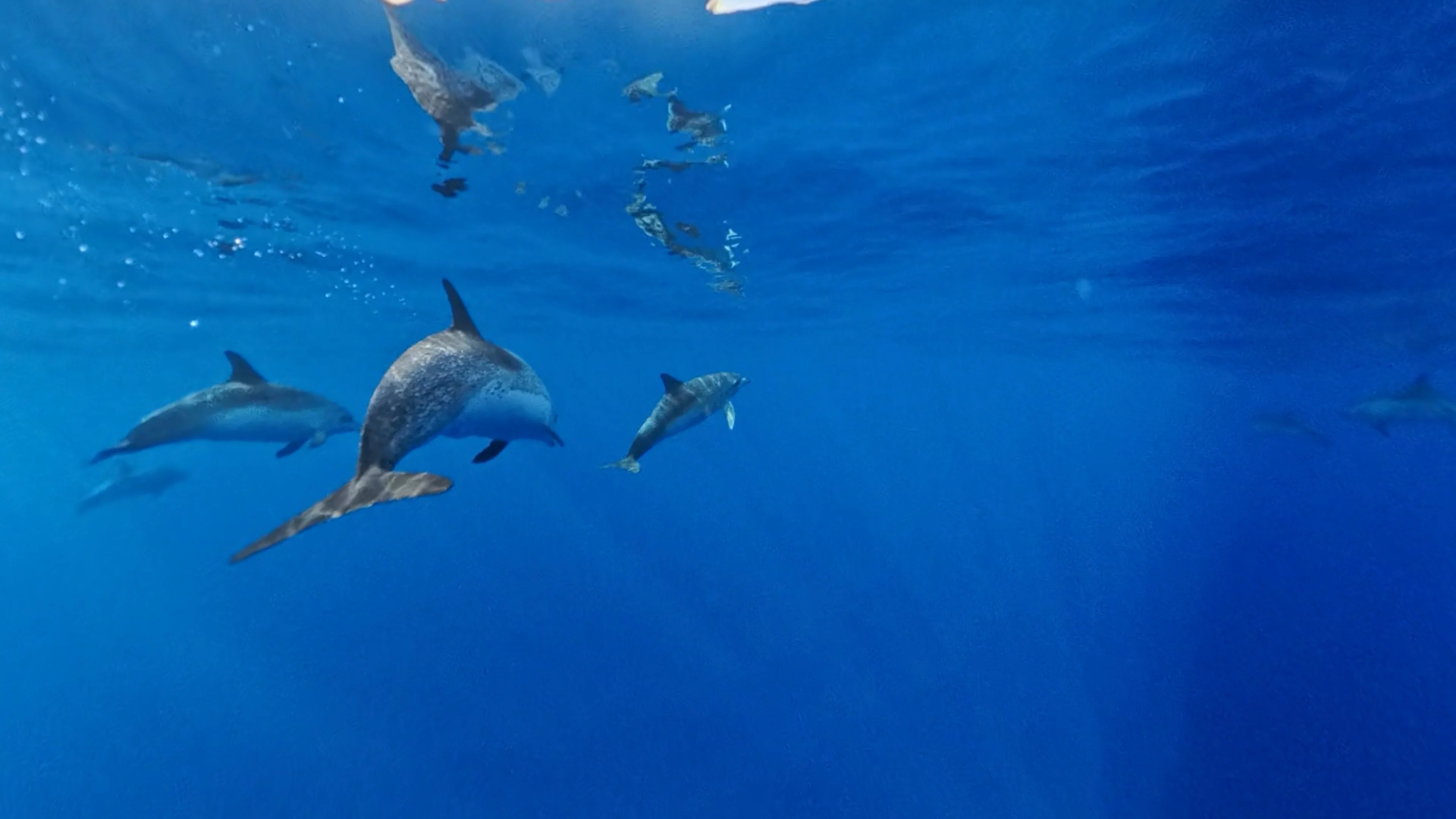
Some dive centres will trade board and lodging for hours spent helping run the boat or assisting instructors, which keeps costs down if you're trying to make a gap year budget stretch.
4. Work a season somewhere
A ski season in the Alps or a summer on a sailing yacht as paid crew isn't quite volunteering and isn't quite a holiday. It's a job, with early starts, difficult guests, and exhaustion by week three.
It's also one of the few gap year routes that pays you rather than the other way round, and it teaches skills that show up well on a CV afterward: instructing, hospitality, working under pressure with people.
5. Join a conservation expedition
If you love animals, you’ll love tracking elephants in Kenya, monitoring reef health in the Philippines, or helping with anti-poaching patrols in southern Africa. Look for programmes run or vetted by a recognised research body (IVHQ and university-linked field stations are a reasonable starting point), and expect early mornings, basic accommodation, and work that's often repetitive but rewarding.
6. Cycle across a country, or a continent
A coast-to-coast ride is a good starting point (Land's End to John o'Groats, or similar) if you want to test whether you enjoy this kind of thing before committing to something bigger. The bigger versions are Cairo to Cape Town or a long-haul across Southeast Asia.
Punctures, saddle sores and the odd day you seriously consider quitting come with the territory. So does the satisfaction of a distance that, on a map, looks faintly ridiculous by the time you're done.
Picking the right one for you
Which idea you choose depends on how much structure you want. A season job gives you a taste of something without a long-term commitment. A multi-week trek or dive qualification sits in the middle. Racing around the world is the full experience with months of training beforehand.
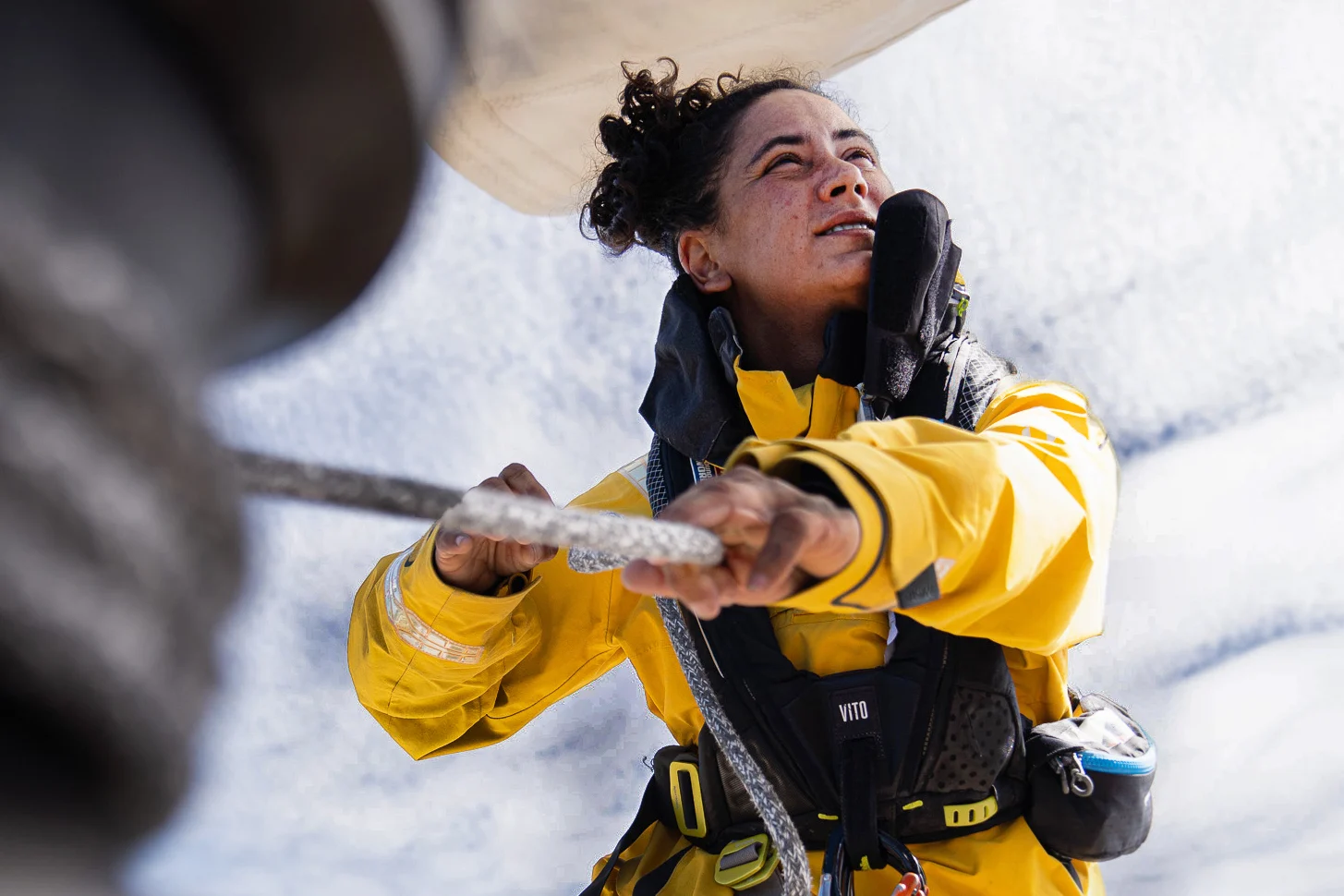
None of these are mutually exclusive, either. Plenty of Clipper Race crew have spent the months before training doing exactly the kind of trekking, diving, or seasonal work covered above. The race just tends to be the one they remember first.
FAQs
Do I need sailing experience for a gap year on the Clipper Race?
No. Crew go through four training levels before racing, and a large proportion of each fleet starts as complete beginners.
How much of the Clipper Race can I do on a gap year?
You can join for a single leg, several legs, or the full circumnavigation (usually August to July), depending on how much time and budget you have.
Is ocean racing safe for someone in their late teens or early twenties?
Crew must be 18+ and complete mandatory training and safety certification before racing. Every yacht carries a professional skipper and first mate to support you on the route you choose.
Can family stay in touch while crew is racing?
Yes. Yachts carry satellite communication for safety and routine updates, and the race tracker lets family follow a boat's position in real time during each leg. Your family and supporters can also visit you on stopovers around the world.
What happens if a crew member gets sick or injured mid-ocean?
Every skipper and a portion of the crew hold offshore medical training, boats carry medical kits built for open-ocean use, and race organisers coordinate evacuation or diversion to the nearest port if a situation needs more than the boat can handle.
Ready to see what a gap year on the Clipper Race involves? Apply now or get your info pack to find out more.