The best things to do in a gap year
Discover the best things to do in a gap year, from backpacking and volunteering to working abroad, learning new skills and taking on big adventures.
- Amy Blackmore
- 03/08/26
- The Race
- 3 mins read
The best things to do in a gap year are travelling, volunteering, working and learning something new. Which suits you depends on what you want to bring back: savings, a clearer idea of your career, a skill, a story, or all four.
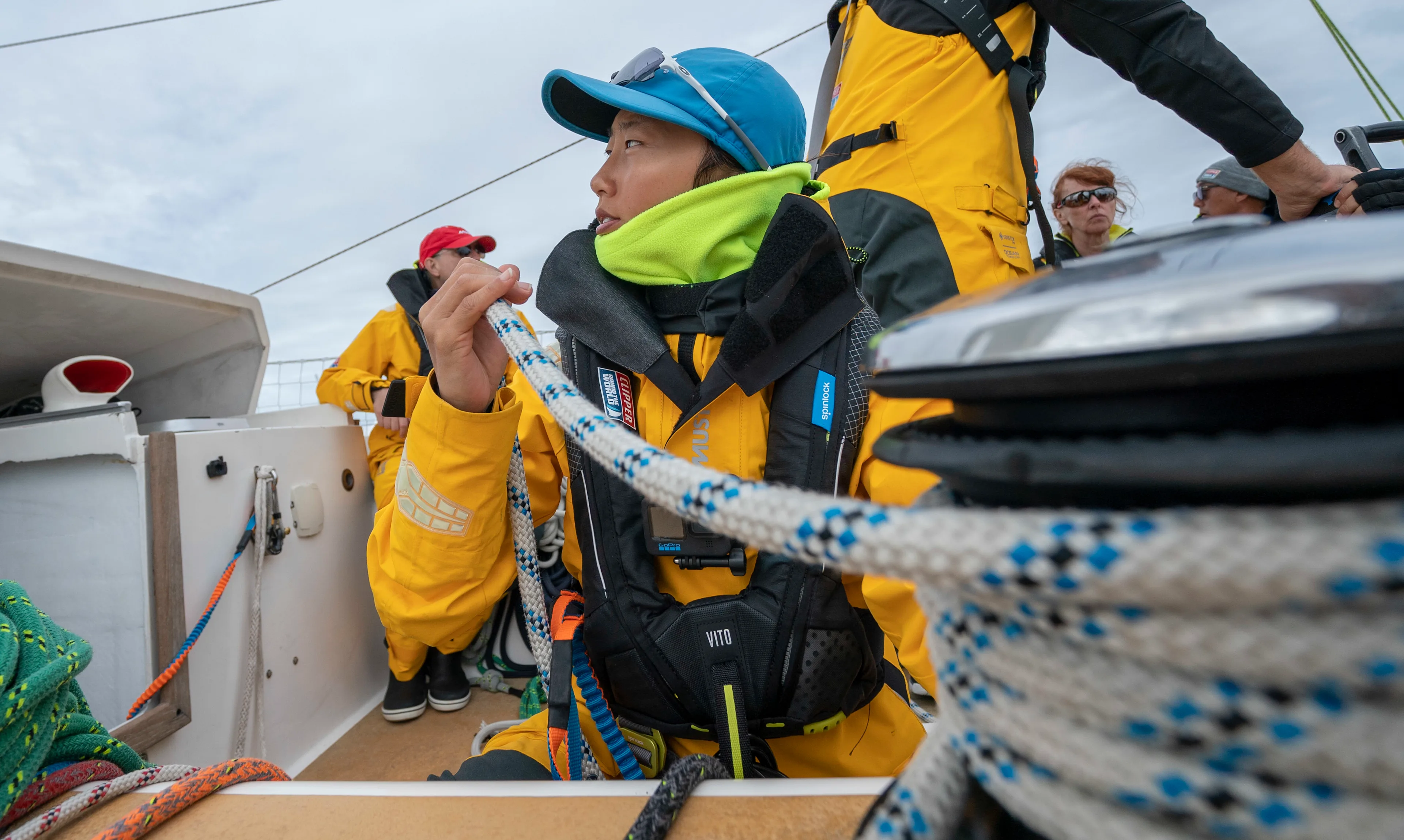
Plenty of people also build the year around one big challenge. The Clipper Race is one option: crew from all walks of life train from scratch and then race a 70-foot ocean yacht around the world.
Travel and adventure
Adventure is the obvious draw. It gives you independence, confidence and a better sense of what you can handle alone. A trip with some structure holds up better than an open-ended one, though, and it gives you something specific to talk about in a UCAS statement or a job interview, where people tend to ask what you did, what went wrong and what you’d do differently. Here are some ideas.
Backpacking and Interrailing: Southeast Asia and Latin America make a gap year budget go the furthest. In Europe, an Interrail pass covers train travel across several countries on a single ticket, so you can change your route as you go.
Adventure and trekking: The Inca Trail in Peru, the W Trek in Patagonia and Kilimanjaro are the classics, and all three reward planning ahead. Inca Trail permits are limited, so book early, and you must climb Kilimanjaro with a guide.
Work exchanges: WWOOF and Worldpackers swap a few hours of work a day, on a farm or in a hostel, for a bed and meals. It’s one of the cheapest ways to stay somewhere for weeks rather than days, and you get to know a place properly.
Ocean racing: If you want an adventure with a crew around you, the Clipper Race trains you from scratch to race a 70-foot ocean yacht around the world. You don’t need any sailing experience. You complete four levels of training first, and you can join for a single leg or the full circumnavigation.
Volunteering
If travel gives you the story, volunteering gives the year a purpose. If you’re still deciding what to study or do for a living, a few months in a school, a conservation project or a community charity is an easy way to find out whether you like the work.
Wildlife and marine conservation: Work on projects that protect rhinos, big cats, or coral reefs. Groups like International Volunteer HQ (IVHQ) place volunteers on these.
Community development: Build schools, teach children, or support healthcare and childcare programmes in developing countries.
Work and earning money
Work is the least glamorous part of a gap year, but it makes the rest possible. A few months of paid work funds everything else. It’s also good research if you have no idea what career you want.
Working holiday visas: Australia, New Zealand and Canada all let you live and work there for up to three years.
Seasonal and resort jobs: Work as a ski lift operator or instructor in Canada or Europe, or pick up shifts in a backpacker hostel.
Au pair: Live with a host family abroad and look after their children. You get a room, meals and a small allowance.
Teach English abroad: Get a TEFL qualification through a provider like The TEFL Institute, then teach in Asia or Latin America.
Education and skill development
Once the money is sorted, you can spend some of the year on a skill. That could be a language course, a first aid certificate or a sailing qualification. It’s the easiest part of a gap year to justify to a parent. Pick something you’ll use, and check what’s included, how long the provider has been running it and what you’ll have to show for it afterwards.
Structured internships: Get industry experience abroad through programmes such as The Intern Group or Intern Abroad HQ.
Local work placements: Do a short placement or internship close to home. It gives your CV something concrete and puts you in front of people working in the field.
Study abroad: Take a language course or an introductory university course overseas, either to earn credits or to get fluent before you start your degree.
Choosing your challenge
Whatever you land on, a big challenge is easier to commit to when the training is solid. Clipper crew completes four levels of practical courses before they race, including advanced sea survival, and no previous experience is required. It also gives you teamwork and responsibility to point to, since every crew member has a role on deck.
The 2027-28 Clipper Race is recruiting now, and the next edition sets sail in summer 2027. If you want an ocean race during your gap year, find out more about the Clipper Race.