What to do in a gap year and how to make it count
Explore ideas for what to do in a gap year, from working abroad to learning new skills and taking on adventure challenges. Here's how to make it count.
- Amy Blackmore
- 19/11/26
- The Race
- 3 mins read
Work abroad for a few months, learn one skill you can carry with you through life, travel with a loose plan, and take on an adventure challenge big enough to scare you a little. That's what to do in a gap year. Which of those suits you depends on why you're taking the year out.
Start with what you want out of it
People take gap years for different reasons. Some people are burnt out, some have no idea what to study, some want to earn while they travel, and some just want to see something bigger than their hometown. Be honest about the one that's driving you, because it changes what your gap year should look like.
Gap year ideas worth the time
Travel
Travelling is the classic, and it works best with a loose structure. Book the first month and leave the rest open. Staying somewhere for several weeks usually teaches you more than ticking off a new country every three days, and it costs less.
Adventure challenges
A challenge with a finish line gives the year something to build around. Walking the South West Coast Path would do it. So would cycling across a country, or racing across an ocean.
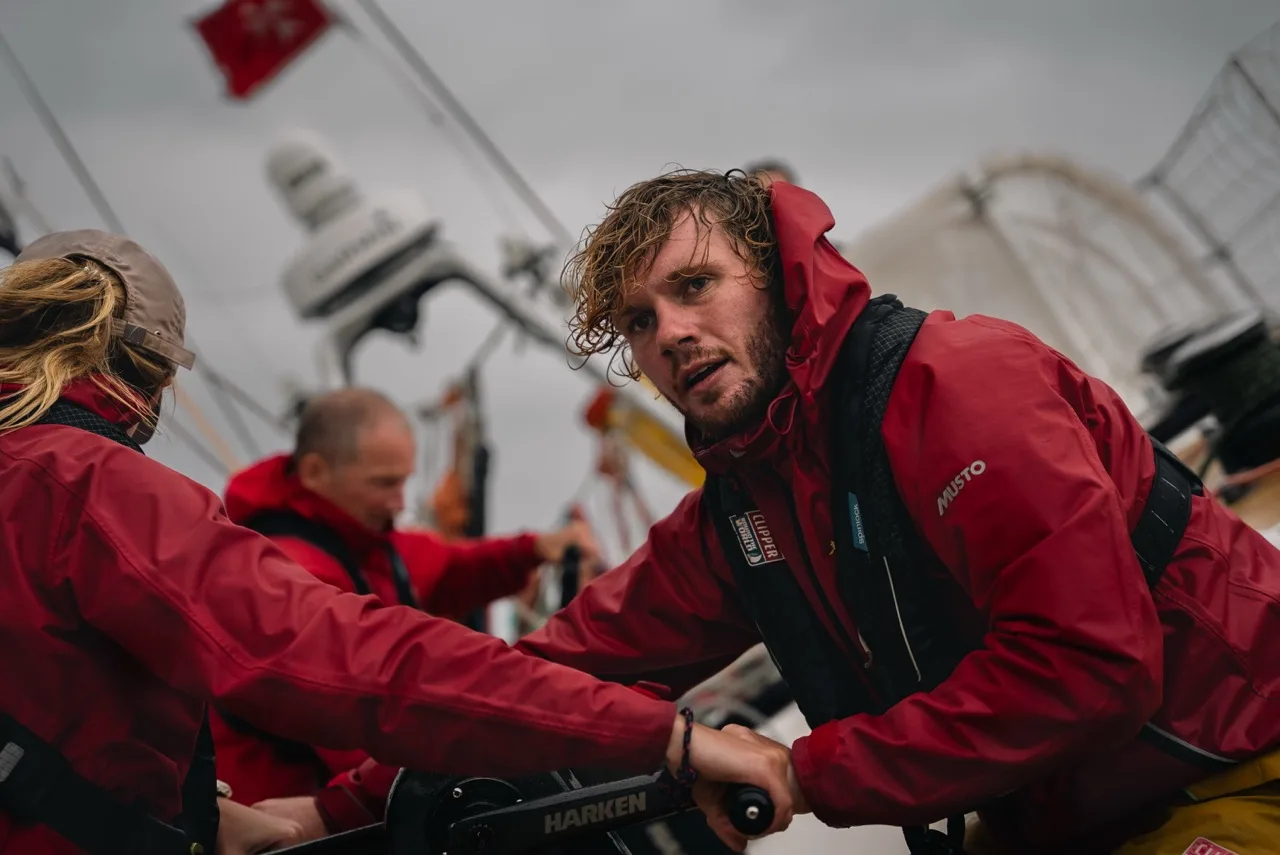
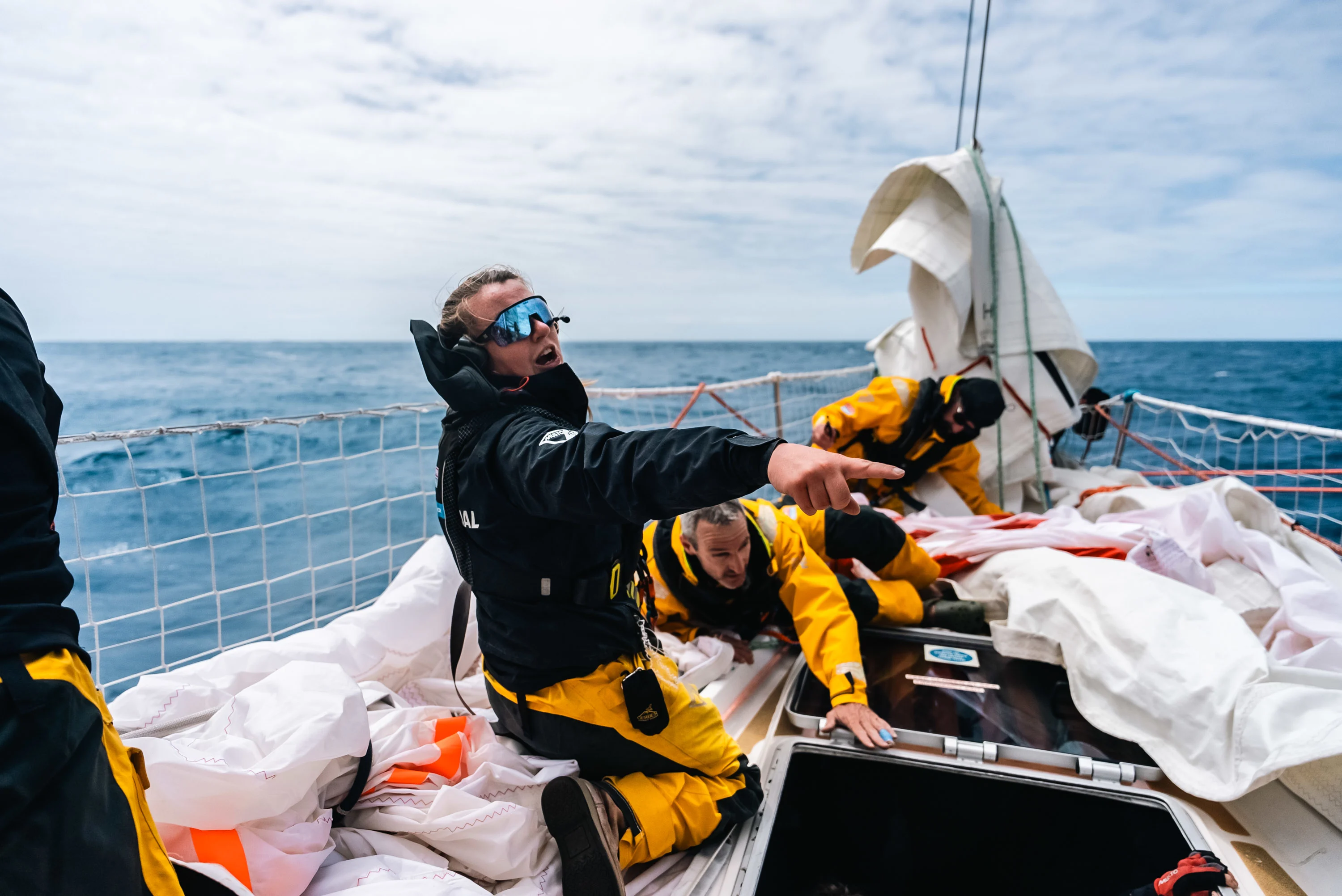
The Clipper Round the World Yacht Race is about as far as the big challenge idea goes. It's a circumnavigation of roughly 40,000 nautical miles, split into eight legs, with six ocean crossings across five oceans. The next edition runs in 2027-28 and is open for applications.
Not being able to sail doesn't rule you out. Almost 30% of the crew had no sailing experience before joining, and everyone completes four levels of training, whatever their background. Crew comes from a wide mix of jobs and countries.
When the 2025-26 fleet left Portsmouth, the people on board included teachers, chefs, plumbers, students, firefighters and doctors, from over 40 nationalities. One of them, Thomas Roy, 18, from Hamble in Hampshire, was the youngest crew member taking a year between college and university. Read Thomas's story about life on board.

You also don't need a whole year. You can join for a single leg, and most legs take six to eight weeks. That makes it possible to build a gap year around a leg: work in the spring, train, sail, then travel afterwards. The Race Builder tool on the site shows pricing and availability for individual legs.
If this sounds like how you want to spend your gap year, the Race Overview explains how selection and training work.
Work for part of the year
Working is the least glamorous option, but what you earn can fund the rest of the year. Hospitality and seasonal work are easy to find in the UK, especially in coastal areas over summer, and some roles come with accommodation. If you can pick something related to what you might study or do later, you'll also have something concrete to talk about in applications.
Volunteer
Volunteering abroad gets most of the attention. Check what a programme costs and where the money goes before you commit, whether you're looking at GVI or Projects Abroad. Closer to home, The Conservation Volunteers, your local Wildlife Trust, the National Trust and the RSPB all run regular sessions that fit around a job.
Learn something
A language, a diving or sailing qualification, first aid, a coaching badge. The point is to finish with something you can name on a CV: an RYA Day Skipper certificate, a PADI Open Water card, a St John Ambulance first aid certificate or an FA coaching badge.
Make it count afterwards
Keep a record while it's happening. A few lines a week is enough: what you did, what went wrong, what you'd do differently. When you're writing a personal statement or facing a "tell me about a time when" question, those notes are far more useful than your memory of the year.
Ask the people you worked or volunteered with for a reference before you leave. The contacts often turn into a job tip or a lasting friend, so keep in touch afterwards and connect while the experience is fresh. And remember to give yourself a couple of weeks to re-adjust when you're back.
Gap year FAQs
How long should a gap year be?
It doesn't have to be twelve months. Plenty of people take six to nine, and some build a gap year from shorter blocks. The Clipper Race works the same way: you can sign up for a single leg, several legs, or the full circumnavigation, which takes about eleven months, so it can fit around a job or a university start date.
Can I take a gap year after university?
Yes. Many people do it to try something before committing to a career or postgraduate study. Clipper Race crews vary widely in age and background, so a recent graduate won't stand out. The full circumnavigation or a single leg can work as a clean break between finishing a degree and starting what's next.
Do gap years look good on a CV?
They do when you can show what you did and what it taught you. Specifics help, such as a challenge completed or a team you worked in. Clipper Crew complete four levels of ocean racing training, then spend weeks in a watch team on a racing yacht, which gives you plenty to talk about in an interview.
Can I join the Clipper Race with no sailing experience?
Yes. All crew complete four levels of training before the race, and almost 30% had no sailing experience before joining. The Clipper Race FAQs have more on training and fitness.
Where to start
Pick the one thing on this list that makes you slightly nervous and find out what it costs and when it starts. If that’s sailing, the Clipper Race team runs discovery talks and open boats, including at its training base in Gosport, so you can look around before you decide.
Interested in the Clipper Race? Request your free information pack.