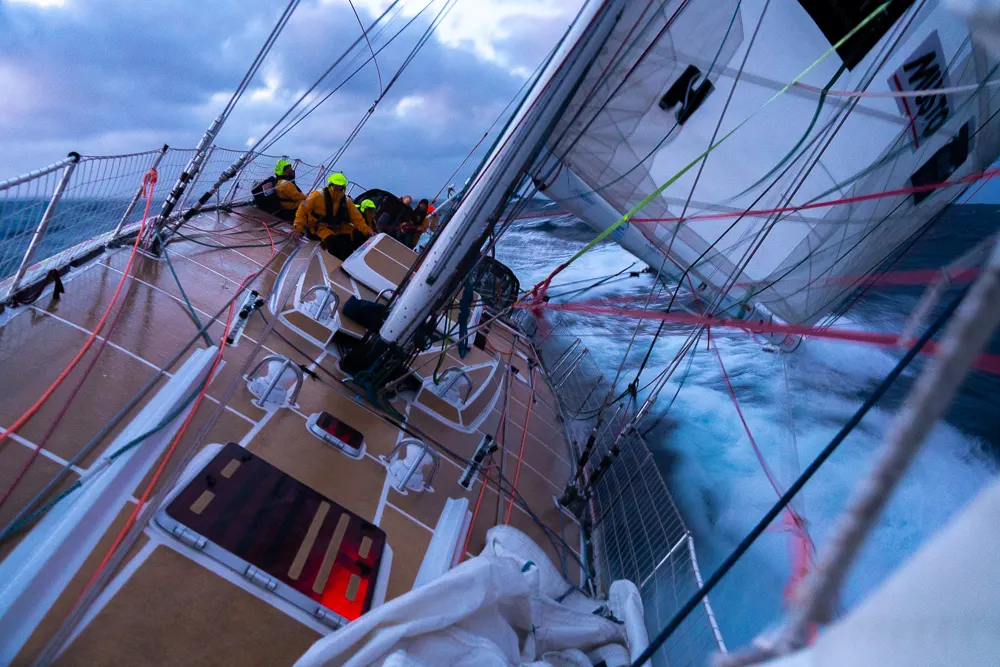
Into the Roaring Forties: Morgan Delashmutt reflects on Leg 3
“There’s a mystique about it that I really admire…you really felt alone out there.”
- Natalie Hill
- 10/06/26
- The Race, The Route, Crew Stories
- 3 mins read
“There’s a mystique about it that I really admire…you really felt alone out there.”
Morgan Delashmutt had dreamed about the Roaring Forties long before he ever sailed through them.
Growing up in the D.C. area, and now a director of safety and compliance based in Hong Kong, Morgan first discovered ocean racing through the Whitbread Race and spent his childhood watching footage of crews battling monstrous seas that seemed so detached from the rest of the world.
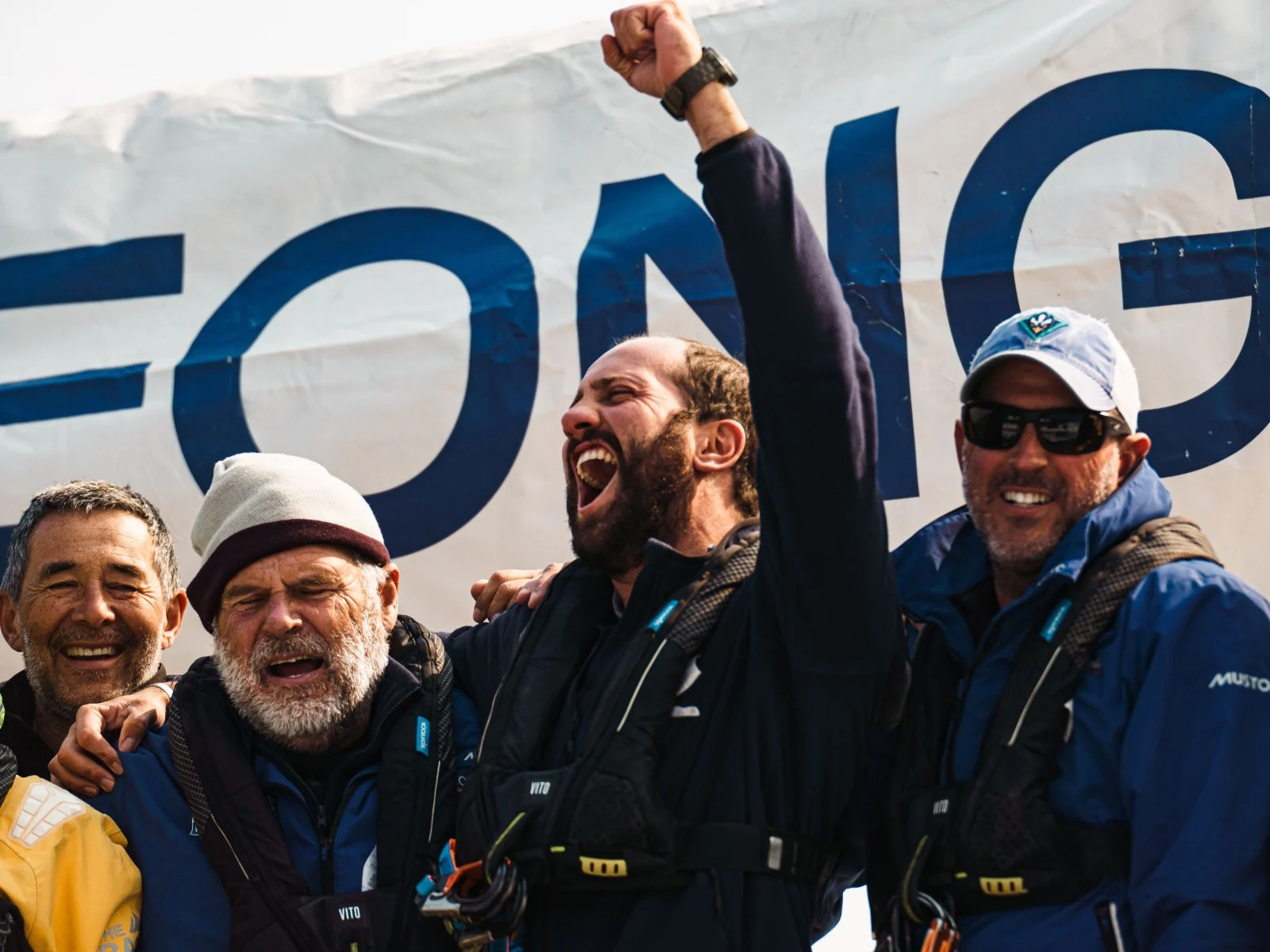
Image: Morgan, pictured far right, on the Clipper 2025-26 Race
“From being a kid, watching the Whitbread before it became the Volvo Ocean Race, I was hooked,” he says, adding: “When it turned from a pro-am into a professional race only, it took it out of the realm for most of us.”
But ocean racing never stopped calling him, and once Morgan realised it was possible to do with the Clipper Race, he signed up to Leg 3 and Leg 6 of the 2025-26 edition, becoming part of Team Tongyeong.
On why he chose those legs, he said: “Both legs are certainly something you couldn’t do on your own. The Clipper Race is the only way to safely do those areas and oceans. Even if I had access to a yacht that could handle the conditions, and a willing friend to go along, I wouldn’t want to! The Clipper Race keeps it safe and manageable.”
For Morgan, Leg 3: The Roaring Forties, a high-octane South Indian Ocean crossing from Cape Town, South Africa, to Fremantle, Western Australia, wasn’t just another stage of racing; it was a stretch of ocean sailors talk about in dockside bars and dream about for decades.
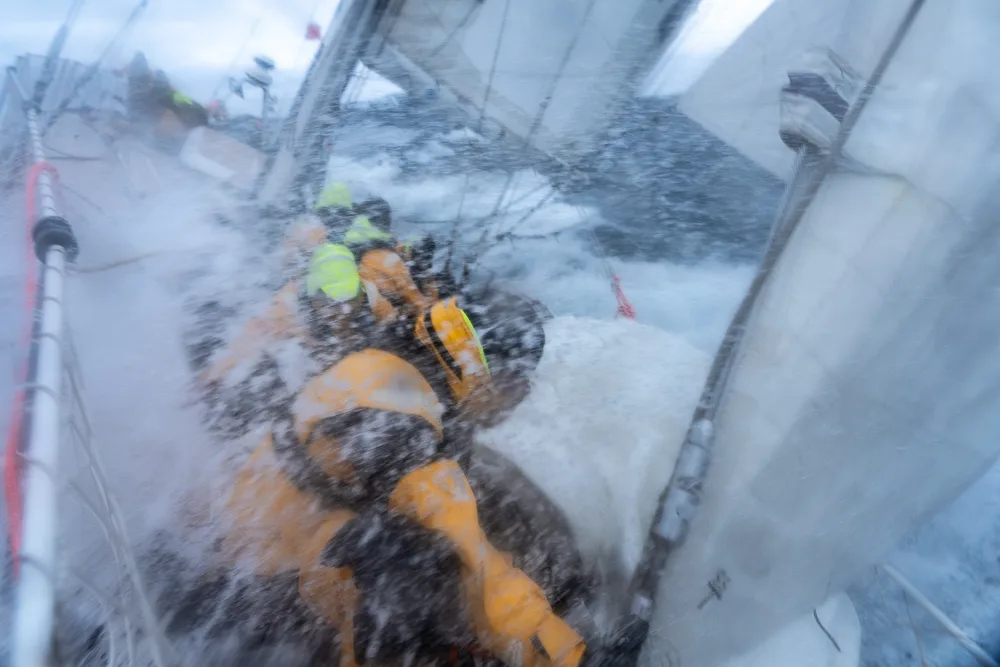
Image: Conditions experienced on Leg 3 of the 2025-26 edition
The Roaring Forties is a meteorological term for the strong, persistent westerly winds that blow fiercely across the Southern Hemisphere, generally between 40° and 50° latitude. “There’s such a lore around that,” he says. “It really appealed.”
And once Morgan and his team left Cape Town, Mother Nature wasted no time reminding the fleet who was in charge. “Getting out of Cape Town was crazy,” he recalls. “We were getting 40 knots of wind, then literally becalmed in the shadow of Table Mountain.”
The fleet scrambled south towards the Southern Ocean, chasing the fast-moving conveyor belt of weather systems that power boats across the bottom of the world.
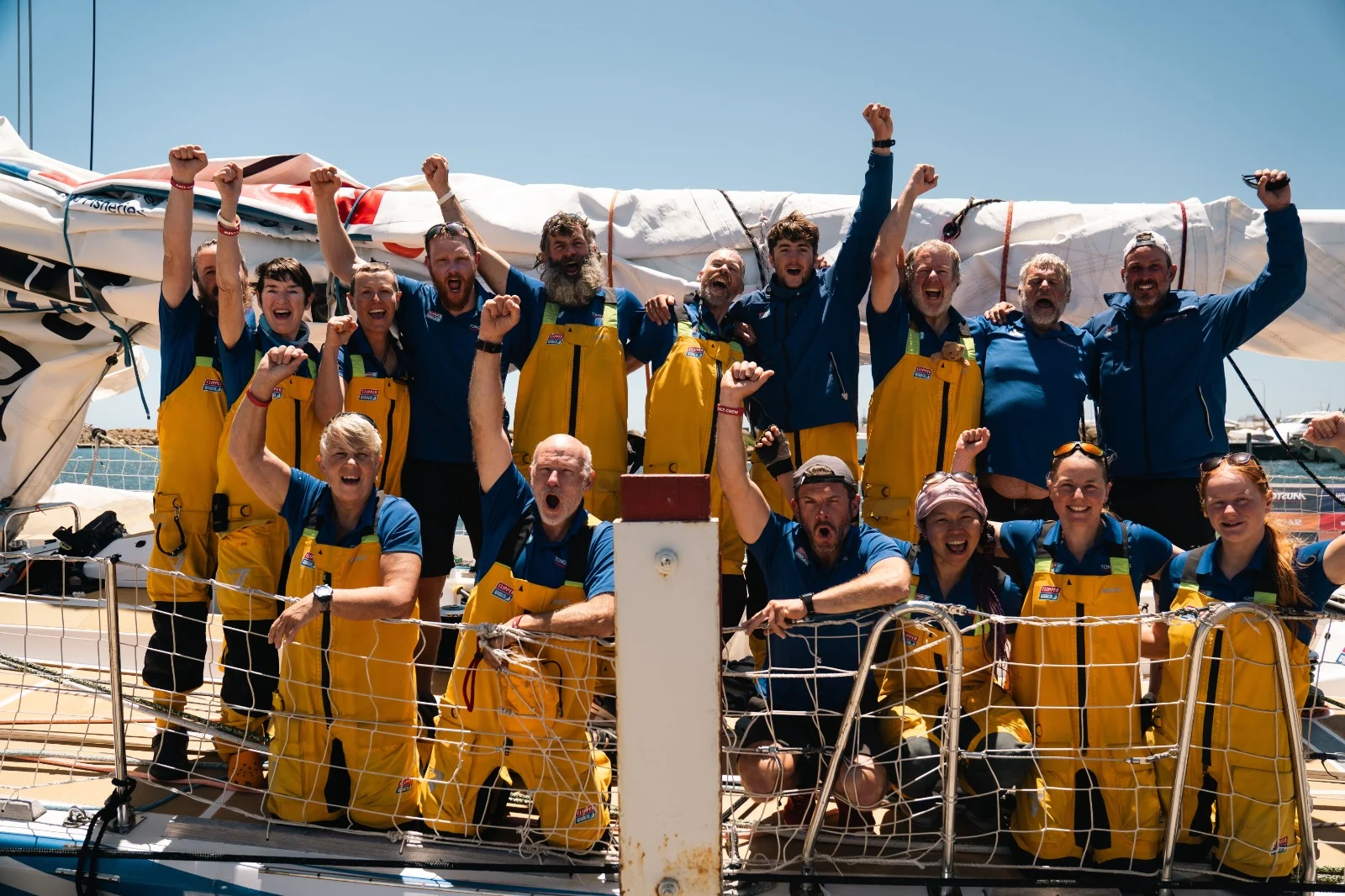
Image: Morgan, back right, arrives in Fremantle at the end of Leg 3
“We got behind early on because we thought of it as a marathon,” he says. “But getting out of Cape Town early is paramount because you need to get onto that conveyor belt. Once you’re on it, there’s less opportunity for position change.”
Then came the conditions Morgan had been hoping for. He recalls: “We had wind speeds into the high 30s, into 40s and nearly touching 50 knots of wind with big seas.”
“We didn’t necessarily get as many days of it as I thought, but I was so adrenalined out. I was ready for Fremantle to come into view!”
What stayed with him most, however, wasn’t the wind strength or the racing. It was the isolation. He says: “There’s a mystique about it that I really admire. It is so absolutely remote.
“We didn’t see a soul or any signs of man's imprint on the earth until we were a few hours from Fremantle. We didn’t see pollution in the water, or plane trails in the sky; you really felt alone out there.”
Speaking about the isolation during Leg 6, he added: “The North Pacific is so big. You look up and see the International Space Station and remember that they are the closest people to you!”
In many ways, the race expanded his understanding of his own limits. Morgan explained: “You’re out there on deck, doing this big adventure, but you suddenly realise it’s not scary. If you’ve done your training and follow the safety procedures, you realise you can do these things."
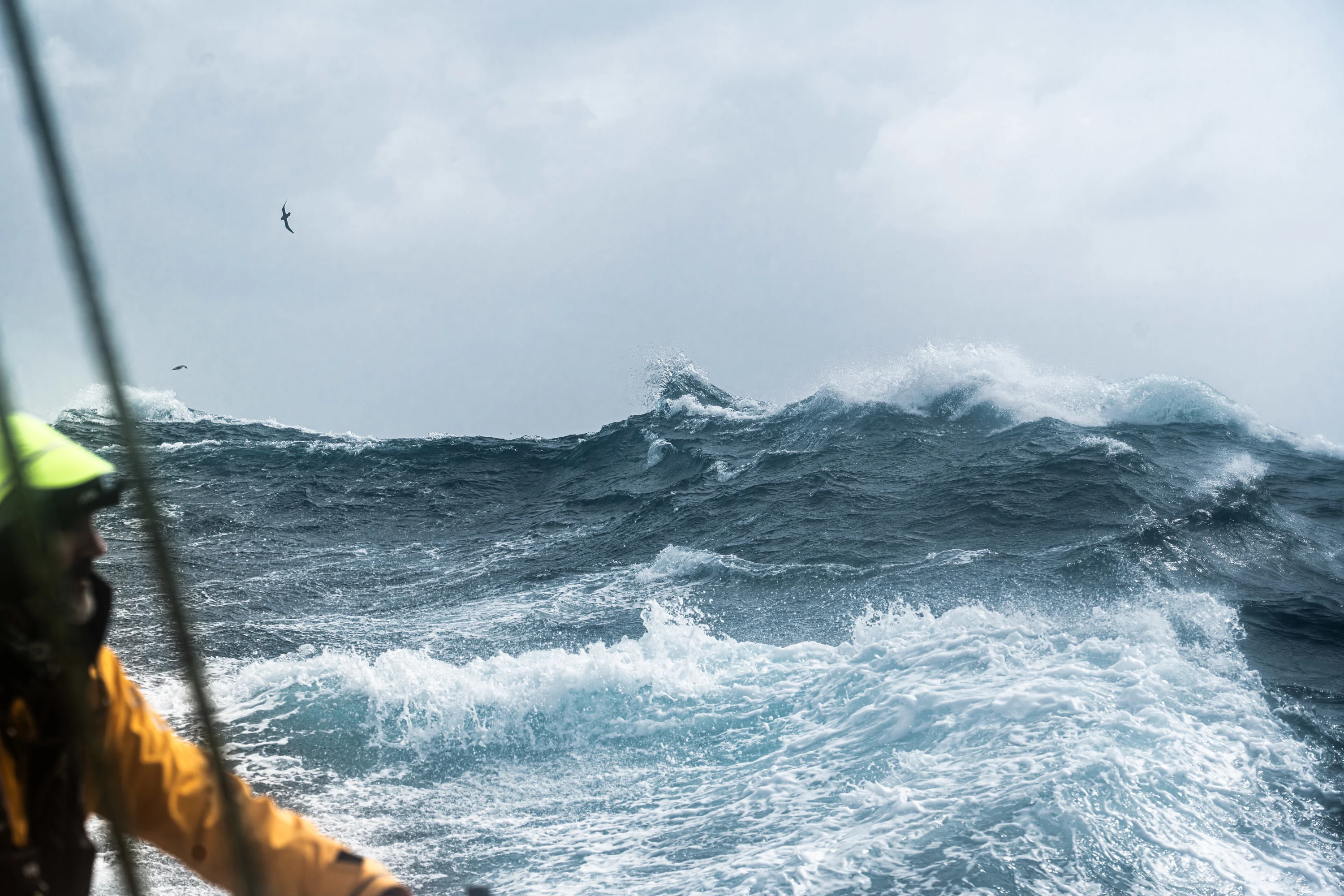
Image: Big winds, big waves on Leg 3
And his Clipper Race experience has been a source of inspiration to keep adventuring. “I’m not saying I’m going to the Roaring Forties on my own,” he laughs, “but you realise you’re capable of more, and bigger, things than you thought you are.
“When I tell people about living on board with loads of other people, no privacy, and the conditions of a racing yacht, they say ‘you’ve just described my worst nightmare!’ But for my personality type, it was really good to go out and push myself in that way.”
His advice to anyone thinking about Leg 3? “Absolutely, do it. But if you can, do more than one leg.
“You do four weeks in training, and to go out and do less racing than training seems wrong. I am pleased I did both Leg 3 and Leg 6. There are always cost and time restrictions but I would say, if you have the time and means, I would certainly recommend doing two or three legs.”
Now back on dry land, Morgan plans to catch up with his Tongyeong teammates and the Clipper Race fleet when it arrives in the port of Washington, DC from June 14.